What causes uneven skin texture and
HOW CAN I IMPROVE IT?
How to get rid of
UNEVEN SKIN TEXTURE

Textured skin is the term given to skin that appears raised or uneven in certain areas.
Textured skin is the term given to skin that appears raised or uneven in certain areas. This uneven skin texture can appear anywhere on the body, but you're more likely to notice it on your face where it may feel bumpy and dry to the touch, almost like grainy facial skin. It's often the result of enlarged pores, acne, or acne scarring.
It's impossible to achieve completely flat, smooth skin because to do so would mean having no pores – and pores play a vital role in keeping your skin healthy.
However, there are ways to prevent and minimise the appearance of uneven skin texture. These include at-home solutions such as using an exfoliation scrub, retinol serum and products containing alpha hydroxy acids (AHAs) that help improve skin texture over time.
Where on the body does
TEXTURED SKIN APPEAR?

- Back:
Since this area has a large surface area and is difficult to reach, dead skin cells can build up and give the appearance of rough skin or uneven skin texture. Additionally, any pimples or acne scarring may be more difficult to resolve in this area and also contribute to uneven texture.
- Face:
Milia and clogged pores on the face can become enlarged over time, leading to rough facial skin and an uneven texture. Sun damage also contributes by breaking down the skin's collagen, leading to a lack of elasticity and an uneven appearance.
- Neck:
Similarly, since this area is likely to be exposed to the sun, UV radiation will break down the skin's collagen production over time and can leave you with a rough patch on the skin that feels less firm.
- Legs:
Rough or bumpy skin on the legs may be caused by general dryness or, in some cases, a condition called keratosis pilaris (KP), which is a build-up of a protein called keratin that can create grainy skin on the body.
- Arms:
Your arms may also experience KP and have small bumps as a result, leading to rough skin and uneven skin texture.
What are the causes of
TEXTURED SKIN?
- Ageing:
As we age, the skin naturally loses its ability to readily produce elastin and consequently loses firmness, leading to an uneven texture and rough skin in some areas.
- Dryness:
Dry skin, which may be the result of psoriasis or KP, can feel rough to the touch and may appear flaky, contributing to an overall uneven skin texture.
- Acne:
Persistent and severe acne can leave the skin with pitted scars that leave the skin looking uneven and feeling like rough facial skin.
- Sun exposure:
As we've covered, excess exposure to UV radiation can break down the skin's collagen, causing it to lose elasticity. The sun can also cause the skin to become dry or rough, especially if you experience sunburn, which can worsen uneven skin texture.
- Genetics:
Genetics play a large role in your overall appearance and skin texture. If a parent and grandparent struggled with uneven skin texture or enlarged pores, then you're more susceptible to experiencing it too, including the odd rough patch on the skin.
- Skin conditions:
Conditions such as eczema, psoriasis and rosacea can cause rough, uneven skin texture and dryness.

Identifying the underlying cause is the first and most crucial step in getting rid of uneven skin texture, since it'll give you guidance on which solutions to pursue. If you're still unsure, chat to your dermatologist for a professional diagnosis and solution recommendation.
How can I get rid of
TEXTURED SKIN ON THE FACE?
Determining the most suitable solution will depend on the severity and cause of your skin texture. In addition to the preventative tips mentioned earlier, here are some potential options to improve skin texture:

- Vitamin C:
This particularly effective skincare ingredient is widely regarded for having multiple benefits. Vitamin C helps to control excess sebum production with its anti-inflammatory properties, reducing the possibility of pimples and clogged pores and helping to improve skin texture on the face.
- AHAs:
Glycolic Acid is a popular example of an AHA, a chemical that's suitable for sensitive skin types. This ingredient works by removing the top layers of skin to reveal fresher skin beneath and also stimulates collagen and elastin production. You can find this in the NIVEA Clear Up Night Exfoliator, which also contains Salicylic Acid and Niacinamide to deeply clean and refine skin pores and improve skin texture.
- Retinol:
Can help to stimulate cell turnover and control sebum overproduction by regulating the sebaceous glands. Retinol can also help to improve the appearance of fine lines, wrinkles, skin tone and overall uneven skin texture.
- Anti-inflammatory topical ingredients:
Textured skin may be the result of inflammation, so to mitigate this you can use soothing topical ingredients such as Aloe Vera, Niacinamide and Turmeric to calm rough skin and support a smoother look.
- Collagen support:
Using skincare containing collagen peptides (a topical form of collagen that can be absorbed by the skin) can help to plump skin and lips. It can also help to ease inflammation and improve the skin barrier, which may have become damaged from over-exfoliation, and in turn improve skin texture.
- Hydrating ingredients:
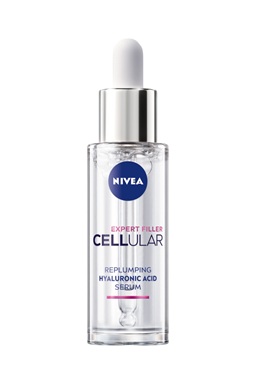
Seeking out humectant ingredients is a great idea since they retain lots of moisture. Hyaluronic Acid is an example of this, which you can find in a number of NIVEA products. Keeping your skin well hydrated helps improve skin texture and reduce the feeling of rough skin.
- Professional options:
Laser therapy, chemical peels, micro-needling, and microdermabrasion are examples of clinical procedures available through professional providers. Speak to your dermatologist if your condition doesn't improve after trying conventional, at-home options for uneven skin texture.
- Remember, some options may not be suitable for everyone, so it's always a good idea to consult a dermatologist before making any drastic lifestyle changes or adopting a new skincare product to treat uneven skin texture.