How To Get Rid of
Turkey Neck
Turkey neck is the name given to loose, saggy, and wrinkled skin below the neck. As you age, the muscles in your neck naturally weaken and the skin surrounding it (and all over your body) loses elasticity and firmness.
While turkey neck is a completely normal, very common part of ageing, and nothing to worry about, there are ways you can help prevent it from forming and ways to minimise its appearance. So, grab yourself a refreshing drink, find somewhere comfortable to sit back and relax, and enjoy our guide on how to get rid of turkey neck.
Turkey neck usually starts to show from around 40 years old, although this depends on a number of factors, such as your diet, lifestyle choices, and how much exposure you have had to sunlight over the years, since all of these contribute in different ways to premature ageing. You might only really notice turkey neck in your 50s or 60s – however, fine lines and wrinkles tend to naturally appear from around age 25. No matter what age they start to appear for you, it's completely normal and nothing you need to worry about.
What causes
TURKEY NECK?
Turkey neck is a natural part of the ageing process. However, its formation can be sped up by certain factors.
- Excess neck fat, which can stretch the skin and reduce its ability to shrink back.
- UV radiation from sunlight can cause free radicals to form in skin cells, which over time will damage your skin's elastin and contribute to wrinkles.
- Collagen production naturally slows as you grow older, which contributes to fine lines and wrinkles. - Natural fat distribution: some people may carry excess fat beneath the chin and along the neck. Over time this can stretch the skin and cause folds.
- The hyoid bone (a U-shaped bone in the neck) can contribute to turkey neck in people who have this bone set further forward, which reduces the length of the chin.
If you don't apply an effective SPF to your neck area every day (even on those overcast and seemingly sun-less days), UV radiation will still affect the neck area. Daily SPF on your neck may help to prevent turkey neck, but if you're already seeing signs and you're wondering how to get rid of turkey neck, read on to find out more.

How to get rid of
TURKEY NECK
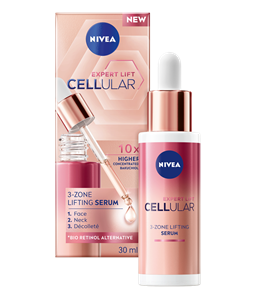
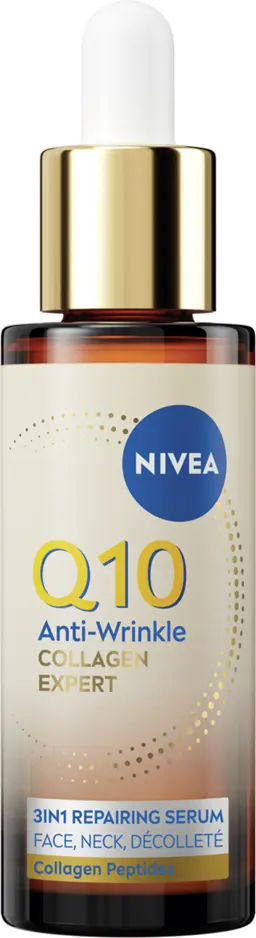
To help reduce the appearance of turkey neck, topical products can be very effective, particularly ones containing collagen. Collagen forms the foundation of your skin, so topping it up can not only help prevent the appearance of turkey neck from forming but also minimise the look of existing sagging skin.
As with many skincare concerns, prevention is better than cure. Maintaining a healthy diet and enjoying regular exercise will help to avoid any excessive body weight changes, which might otherwise weaken the collagen, elastin, and other skin components that contribute to skin tightness.
Avoid unnecessary exposure to sunlight where possible by wearing a large-brimmed hat, and applying a sufficient SPF around your neck area. This will help prevent any signs of sun-induced premature ageing. Explore the range of NIVEA face sunscreens for effective and immediate protection against the sun's damaging UV rays.
You can also help to prevent turkey neck (and reduce its appearance) by applying a retinoid daily. This can help to boost collagen production and promote skin cell turnover, for fresher-looking skin.

Other skincare ingredients that can help to reduce the appearance of wrinkly skin on your neck include:
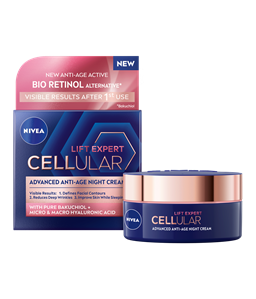
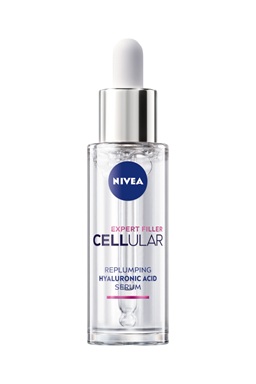
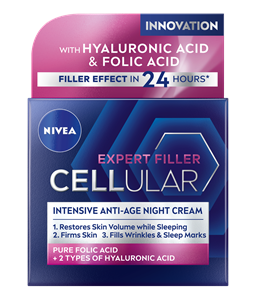
- Hyaluronic Acid: this occurs naturally in your body but its production depletes with age. Supplementing with a serum or cream can help to retain moisture and visibly reduce the appearance of wrinkles. The NIVEA Cellular Expert Lift Pure Bakuchiol Anti-Age Night Cream provides intense nourishment and can reduce the appearance of fine lines and wrinkles in only a week.
- Alpha-Hydroxy Acids (AHAs), such as Glycolic Acid: by removing the top layer of skin cells, AHAs reveal the fresh layer of skin beneath. They can also improve blood flow and promote collagen production, which can both contribute to an improved appearance of fine lines and wrinkles.
- Vitamin C and Vitamin E: the presence of free radicals, which are created as a result of normal bodily processes, can be increased by exposure to pollutants and UV radiation – which can damage skin cells. Vitamin C and Vitamin E can inactivate free radicals, in turn reducing their impact on your skin cells. They can also help to brighten the skin's appearance.
- Peptides: similar to Hyaluronic Acid, Peptides occur naturally in your skin and can help to signal the production of collagen and elastin. Since the body's collagen production depletes with age, this can cause skin to appear more wrinkled. Adding peptides to your skincare routine can help to make skin appear plumper and firmer.
You can also help to prevent turkey neck (and reduce its appearance) by applying a retinoid daily.
Turkey neck
EXERCISES
As with any new exercise, chat to a physiologist before practising for the first time and stop immediately if you experience any neck pain. Also be sure to always consult a dermatologist when trying any new skincare product and always follow the instructions on the label.
Final
WORDS
If you're still feeling self-conscious about sagging neck skin, try the exercises highlighted above, and of course, explore our range of products to help with tightening the skin around your neck so you feel more confident in your own skin.