Shea butter benefits
for Silky Soft Skin
Shea butter benefits for silky soft skin
Whether you're a shea butter super fan, or you're thinking about trying the moisturising marvel cream for the first time, you're in the right place to uncover the top shea butter benefits for your skin. Read on to find out how to make shea butter and explore its long list of skin-loving properties and everyday uses.
What is shea butter?
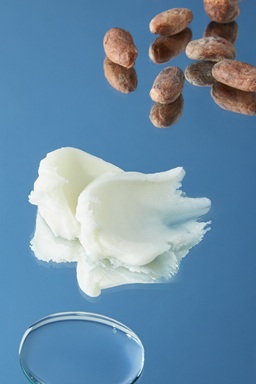
Shea butter is made from nuts that grow on the sun-loving shea trees of sub-Saharan Africa. The butter is used in all kinds of cosmetics – from lip care to anti-inflammatories – and is loved for its soothing qualities. You can even use it to help calm dry skin, dandruff, eczema and scarring caused by acne. Shea butter is also widely understood to be safe to use if you suffer from nut allergies.
What is shea butter
made from?
When harvested from the shea tree, the inner kernel is surrounded by a husk and a fleshy outer layer. The pulpy outer layer is discarded and not used in the process.
- The nuts are boiled for sterilisation and then dried under the hot African sun
- Once dry, the kernel inside is extracted – the main ingredient for shea butter
- The inner nuts are then washed and dried in the sun again
- They're then ground, crushed and roasted over a fire to extract the oils
- Once roasted, they're kneaded into a thick paste with cool water
- More cool water is added to the paste, eventually causing the oils and solids to separate
- Oil can then be skimmed off the top
- The final product is then boiled, revealing any impurities, and then left to cool
What's in
shea butter?
Linoleic acid helps strengthen your skin's barrier so it can retain moisture better while keeping out irritants. Your body can't produce linoleic acid, so you need to get it either topically or through your diet.
Stearic acid is an amino acid which helps oil and water combine in order to help remove dirt and excess sebum from your skin and hair.
Palmitic acid is a fatty acid generally used as an emollient or moisturiser. It has the ability to soften skin and boost water retention in skin cells.
Oleic acid is a fantastic help for ageing or dry skin, because it can penetrate skin and replenish lost moisture while preventing further moisture loss, without clogging pores that can lead to breakouts.
Cetyl esters are the waxy part of shea butter, which help lock moisture into the skin.
Vitamin A contributes to an even skin complexion, fighting infections, boosting skin cell turnover, protecting against UV damage and slowing signs of ageing.

Vitamin E is a powerful antioxidant, able to combat the signs of ageing by reducing the UV damage
Vitamin F strengthens the skin barrier, converting to ceramide when applied to the skin, which is a key ingredient for keeping the top barrier of your skin healthy and moisturised.
Properties of
shea butter
Shea butter contains a lot of vitamins, oils and acids, all of which are extracted from the shea nuts during the process above. And because it has these qualities, it's great for lots of different skin conditions and everyday skin concerns.
Keeping your skin hydrated:
Keeping your skin youthful:
Keeping your skin smooth:
Shea butter is also an anti-inflammatory, which means it can soothe swollen areas of skin and can be used to help treat eczema flare-ups.
Keeping your skin healthy:
Is shea butter
comedogenic?
A lot of people wonder if shea butter is comedogenic – in other words, whether or not it causes spots or blackheads. In short, the thick creamy consistency by itself can block your pores, particularly if your skin often flares up or you experience bouts of acne. But when a small amount is combined with other ingredients, it's not as heavy on the skin.
Discover the NIVEA Anti-Wrinkle +Firming Day Cream 45+, enriched with apricot kernel oil, shea butter and SPF15. It's designed to improve the firmness of your skin and minimise lines and wrinkles, while helping to keep your skin protected from the sun's rays.

Refined shea butter versus
unrefined shea butter
On the other hand, refined shea butter has been treated with high levels of heat, which can end up destroying some of the nutrients, like vitamin A and vitamin E. Sometimes chemicals are added back in to compensate for the losses, as well as certain perfumes, as the natural smell is often lost, although most refined shea butter is unscented. Refined butter is still good for moisturising your skin, however it doesn't offer the same healing or anti-inflammatory properties as the real deal.
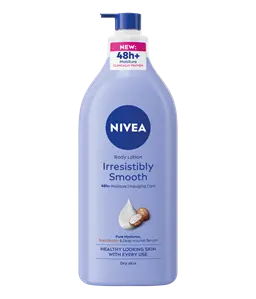
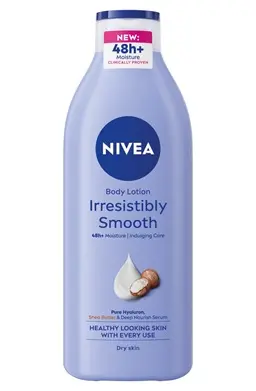
Fancy giving your skin a treat? The NIVEA Irresistibly Smooth Body Lotion offers fast-absorbing, 5-in-1 care which lasts up to 48 hours. Made with unrefined shea butter and NIVEA's Deep Moisture Serum, it's suitable for all skin types, promising a soothing and refreshing moisturising feeling.

FAQs