How to Treat an
Itchy Beard
How to Treat an
Itchy Beard
Follow our guide to find out what causes an itchy beard, how you can treat an itchy beard, and how to soothe dry skin under your beard.
Beard hair is different from the hair on your head. Beard hair is called androgenic hair, which means that growth is mainly driven by hormones. It's thicker and coarser than the hair on your head, and your hormone levels determine how thick and fast your beard grows.
There are a few causes of an itchy beard and itchy beard stubble, from irritation from shaving to clogged pores.
Read on to find out what's behind your itchy beard and how you can treat it.

Skin irritation under your beard
and what causes it
If you have a full beard and it itches, this could be caused by dry skin under your beard. Facial hair draws moisture from the skin, pulling it up from the surface and onto the hairs, where it quickly evaporates. This can leave your skin extremely dry or flaky and can even cause beard dandruff. Dead skin cells that are normally removed by daily face washing or exfoliation also get trapped in the hair, and dirt and oil build-up can cause skin irritation.
It's also very common to have itchy beard stubble at the beginning when you decide to grow a beard. When you shave, you leave a sharp edge to each hair follicle, and when it first starts to grow, the tougher tufts of hair scrape against the edges of the follicle – this is what causes itchy beard stubble.


BEARD
PIMPLES
Breakouts
Spots and breakouts happen when sebum, produced by your skin, mixes with dead skin cells on the skin's surface.
Ingrown Hair
Ingrown hairs occur when a hair that has been shaved or cut grows back into the follicle instead of out, and becomes trapped under the skin. This is what causes irritation and inflammation. When this happens, the follicle can become red, lumpy and itchy. People with curly hair are particularly prone to ingrown hairs.
Folliculitis
Folliculitis is when the follicles that contain your beard hair become inflamed and feel tender or painful to the touch. They can get blisters and, if there's a bacterial infection, they can fill with pus. Folliculitis is usually the result of a bacterial, viral or fungal infection, although it can also be caused by ingrown hairs.

How to
get rid of beard dandruff
Beard dandruff is caused by a condition called seborrhoeic dermatitis, which leads to a beard rash and flaking skin.
Although experts don't know exactly what causes seborrhoeic dermatitis, they do know it's a reaction to a yeast in the skin called Malassezia. This fungus usually grows in areas with many sebaceous glands, such as your scalp and face. The fungus breaks down the oil produced by these glands, and this process can trigger scale formation and flaky rashes on your scalp, eyebrows, nose, beard and moustache. It's a chronic condition that can flare up at any time, but good beard hygiene will help to ease it.
If you have flaky skin under your beard but no redness or irritation, the cause of your itchy beard may simply be dry skin under the beard.
- Wash your beard with warm water every day.
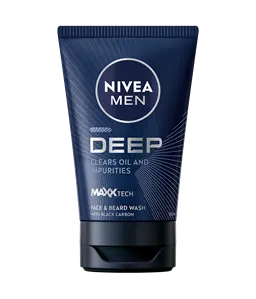
- Use a beard wash that's gentle on your skin
- Exfoliate with a beard brush to remove dead skin cells. Just be careful not to brush too hard, or you'll make beard dandruff or a beard rash worse
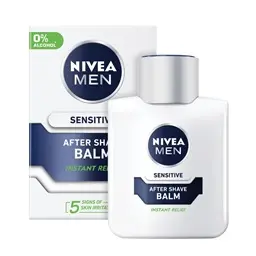
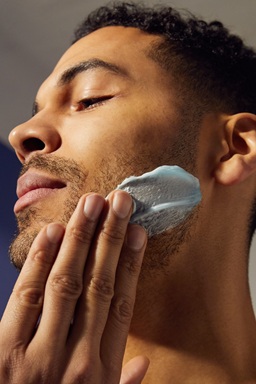
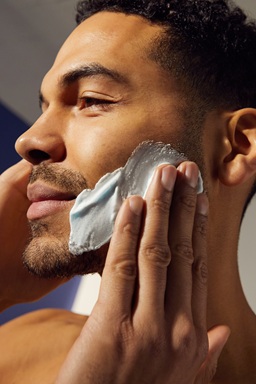
- Moisturise your beard. This is a crucial step, especially if beard itch or dandruff is caused by dry skin under your beard. Again, choose a product that's gentle on your skin, like NIVEA MEN Sensitive Pro Facial Balm that soothes and relieves

How to care
for your beard and stop beard itch
CONDITION – If you have a longer beard, use a special beard balm to loosen and soften your beard. Once you've cleansed your beard, apply the balm and let it work for a few minutes before rinsing. When you're choosing a balm, look for products with natural ingredients like argan oil or jojoba oil – these are great for softening and strengthening your beard.
DRY YOUR BEARD – Although this step is often overlooked, it's actually very important: make sure you dry your beard properly. Leaving water in your beard can dry out both your skin and your beard and cause an itchy beard rash. Gently pat your beard with a towel after cleansing to absorb excess water.


BRUSH – Regular brushing will not only give your beard a neat shape and smoother texture, it will also encourage the hairs to grow in a single direction – this helps you avoid ingrown hairs and itching. There are specialised beard combs available that make it easier to spread products through your beard, so you get maximum results from the active ingredients.
REFINE YOUR SHAVING TECHNIQUE – How you shave can reduce your chances of struggling with an itchy beard. To prevent an itchy beard and beard pimples, try the following:
- Shave after showering – the steam opens your pores and gives easier access to the hair follicles, which means a much closer shave and less chance of irritation, chafing, redness and dryness
- Use a new razor blade each time you shave
- If you don't already use one, think about switching to an electric razor or a four- or five-blade razor
NOTE:
If you already have a beard rash, give your skin some time to calm down. Try to avoid shaving or irritating your skin in other ways – use mild products to relieve the irritation and nourish the dry skin under your beard.