How to get rid of razor bumps:
Causes, care & prevention
What are
razor bumps?
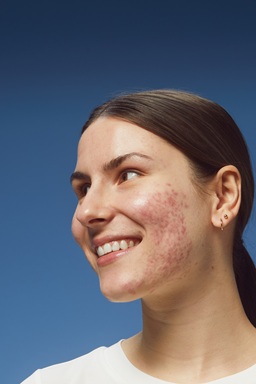
Razor bumps show up as small, red and inflamed bumps on the surface of your skin, usually in areas where hair has just been shaved – like the beard area for men or the legs and bikini line for women. Razor bumps are often caused by ingrown hairs that curl back into the skin and cause irritation. If you have curly or coarse hair, you are more likely to develop razor bumps.
Our experts explain:
"Shaving can remove the outermost layer of skin cells and cause microdamage, as these immature layers are especially sensitive to external factors. It can also cause blades to tug at hairs cut below the skin, and these ingrown hairs may lead to inflammation."
- Julia Nemnich, Lab Manager, and Merle Tobiaßen, R&D Senior Engineer, Formula Development NIVEA MEN
- Cause:Razor bumps are the result of ingrown hairs and inflammation after shaving, causing red, itchy bumps.
- Insight:They are more common if you have curly or coarse hair, because the hair tends to curl back into the skin.
- Prevention:Proper shaving techniques, exfoliation and moisturising can help prevent shaving spots.
- Treatment:Over-the-counter treatments with ingredients like Salicylic Acid or Glycolic Acid can give you relief from razor bumps.
Razor bumps vs
razor burn?

Razor bumps and razor burn are two common post-shaving skin issues that can cause discomfort and irritation after shaving.
Razor bumps, also known as ingrown hairs or red spots after shaving, happen when hair curls back into the skin, resulting in small, painful bumps. They are often mistaken for pimples and tend to be more common in areas where shaving is frequent, like the face, neck, legs, underarms and bikini line.
Razor burn, on the other hand, is a type of skin irritation that occurs when you apply too much pressure while shaving or shave on dry skin. It shows up as redness, discomfort and sometimes tiny red spots.
Good shaving techniques, proper skin prep and post-shave care can help you prevent both of these shaving-related issues, for a smoother and more comfortable shaving experience.
5 common places for
razor bumps:
Razor bumps can pop up in different areas where shaving is common. Here are some of the places where you are most likely to see razor bumps:
- Face:For men, razor bumps on the face are very common, especially in the beard area. Shaving against the grain or using the wrong technique can lead to ingrown hairs and bumps on your face.
- Neck:Razor bumps on the neck are common because the skin in this area is quite sensitive. This often affects men who shave their beards. Using the wrong shaving technique can lead to irritating red spots after shaving on your neck.
- Underarms:Shaving your underarms can also lead to razor bumps. The curved shape of your underarms and the coarseness of the hair there can increase the chances of ingrown hairs and irritation.
- Bikini line:Women who shave their bikini line may notice razor bumps and pimples after shaving in this area. The skin around the bikini line is sensitive, and ingrown hairs can be especially uncomfortable here.
- Legs:Red bumps after shaving your legs are common, especially if you shave them regularly. Ingrown hairs can develop if you do not shave correctly or if your skin is not properly moisturised.
Keep in mind that while these are the most common areas for razor bumps, they can technically appear anywhere on your body where you shave.
6 common causes of
razor bumps
If you want to prevent and manage spots after shaving, it really helps to understand what causes them. Here are 6 common causes of razor bumps:
- Improper shaving techniquesUsing the wrong shaving technique is a common cause of razor bumps. Shaving against the grain of hair growth, pressing too hard or using a dull blade can all irritate the hair follicles. On top of that, going over the same area again and again can increase the risk of shaving spots.
- Lack of lubricationNot using enough lubrication when you shave is another major cause of razor bumps. Shaving without a shaving cream, gel or foam creates friction between the razor and your skin. This friction can irritate your skin, leading to redness and bumps.
- Sensitive skinIf you have sensitive skin, you are more likely to get razor bumps. Sensitive skin can react strongly to shaving, which can cause more inflammation and more bumps.
- Ingrown hairsIngrown hairs happen when a hair strand grows back into the skin instead of outward. This can happen after shaving, especially if the opening of the hair follicle gets blocked by dead skin cells or debris. Ingrown hairs can lead to razor bumps and are more common in areas with tightly curled hair.
- Tight clothing and frictionWearing tight clothing that rubs against freshly shaved skin can make razor bumps worse, especially on areas like your neck and underarms. The friction between your clothes and already irritated skin can increase inflammation.
- Frequent shaving
Shaving too often, especially when your skin has not had time to fully recover, can increase the chances of razor bumps. Giving your skin a bit of a break between shaves can help prevent irritation.

Knowing what causes red shaving bumps is the first step to preventing them. Use a proper shaving technique, pick products that suit your skin and look after your skin before and after shaving for a smoother shave.

How to get rid
of razor bumps
You can get rid of razor bumps with a mix of prevention, simple home care and, in some cases, medical treatments. Here are a few tips to help you tackle razor bumps:
- Exfoliation:
Gently exfoliate the affected area with a mild exfoliating scrub or a soft brush to help remove dead skin cells that might be trapping hairs.
- Moisturising:Apply a moisturising lotion or aftershave to the area after shaving to soothe your skin. Look for products with ingredients like Chamomile, Vitamin E or Aloe Vera, as they offer anti-inflammatory benefits.
- Warm compress:Putting a warm compress on the area before you shave can help open up the hair follicles, making it easier to shave without irritating your skin.
- Avoid tight clothing:Tight clothing can make irritation and friction in the affected area worse. Rather go for loose-fitting clothing until the bumps have settled down.
- Topical treatments:
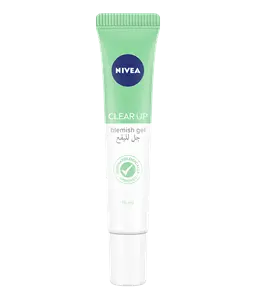
Over-the-counter products with ingredients like Salicylic Acid or Benzoyl Peroxide can help exfoliate and reduce inflammation. Use them as directed on the product label.
- Stop shaving for a while:If your razor bumps are very sore or severe, it might help to let the hair grow out for a few days so that the inflammation can calm down.
- Prescription treatments:If you struggle with chronic or very severe razor bumps, it is a good idea to see a dermatologist. They can prescribe topical or oral treatments to help you manage the problem.
- Laser hair removal:If razor bumps keep coming back and are really bothering you, you might want to think about long-term options like laser hair removal. This can permanently reduce hair growth in the area that is affected.
Remember that razor bumps can take a bit of time to heal completely, and being consistent with these steps can help reduce how often they appear in future. If things get worse or the bumps do not clear up even after trying these tips, chat to a dermatologist for professional advice and treatment options.
NIVEA MEN shaving routine
to reduce razor bumps
Step 1: Pre-shave preparation
Cleansing: Start by cleansing your face with a gentle cleanser to remove impurities and get your skin ready for a smooth shave. Formulated with Chamomile Extract, Vitamin E and Menthol, the NIVEA MEN Sensitive Face Wash helps to gently remove dirt and oil without drying out your skin.
Exfoliation: Exfoliate 2–3 times a week with a mild exfoliator to remove dead skin cells. This helps prevent ingrown hairs and makes for a smoother shave.
Step 2: Shaving
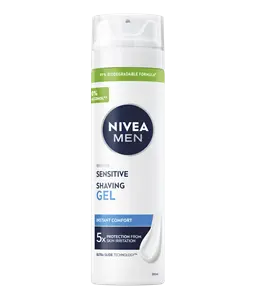
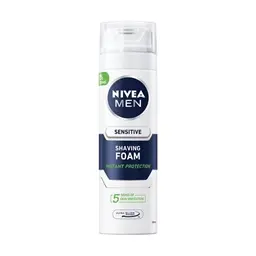
Apply shaving cream or gel: Before you shave, apply a shaving cream or gel to create a protective barrier and help your razor glide smoothly. Made with Chamomile and Vitamin E, NIVEA MEN Sensitive Shaving Gel helps soften your facial hair and creates a thin gliding layer for a non-irritating shave.
Shave properly: Use a sharp, clean razor and shave in the direction your hair grows. Try not to go over the same area too many times to keep irritation to a minimum.
Step 3: Post-shave care
Rinse and pat dry: After shaving, rinse your skin with cold water to close the pores and remove any leftover shaving cream or gel. Gently pat your skin dry with a clean, soft towel.
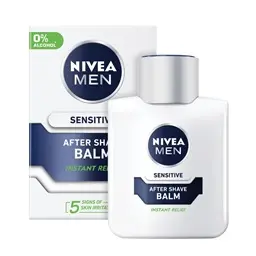
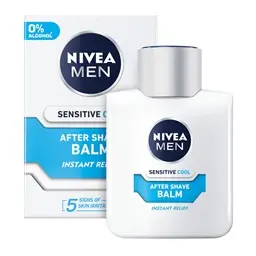
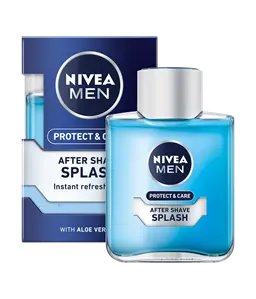
Apply an aftershave product: After shaving, apply an aftershave to help reduce irritation, razor burn and bumps that can be caused by shaving. NIVEA MEN offers a range of aftershave products that soothe your skin, reduce redness and deliver hydration.
Moisturise: Use a moisturiser that suits your skin type to keep it hydrated. NIVEA MEN Sensitive Face Cream helps to moisturise and soothe your skin. Made without alcohol, the cream is fast-absorbing, non-sticky and non-greasy, helping your skin feel comfortable and smooth.
Sun protection: If you shave during the day, finish with a sunscreen. Sunscreens help protect your skin from harmful UV rays, which can make the irritation and redness from razor bumps worse.
Razor bumps
on the body
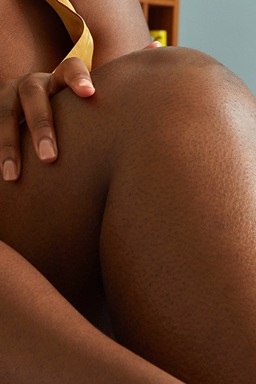
Razor bumps on your body can be frustrating and uncomfortable. While we often think of razor bumps as a facial shaving problem, they can affect many parts of your body, including your legs, chest, back and bikini area – anywhere you regularly remove hair.
To prevent razor blade irritation on your body, shave carefully with a sharp razor, follow the direction of hair growth and exfoliate regularly to remove dead skin cells. Moisturising after shaving also helps reduce friction. NIVEA Rich Nourishing Body Lotion is enriched with a caring blend of ingredients, including NIVEA's Deep Moisture Serum, Almond Oil and Vitamin E, to help protect your skin and provide deep, lasting moisture.
If you struggle with severe razor bumps on your body, it can really help to get advice from a dermatologist. They can offer tailored solutions to manage and prevent razor bumps on your body more effectively.
Razor bumps
at a glance
Razor bumps are a very common skin concern and often show up on places you shave regularly. The good news is that you can manage them effectively with a simple, dedicated skincare routine so that you can reduce and even prevent them. By following good shaving habits, and adding exfoliation, moisturising and sun protection to your routine, you can seriously improve your shaving experience and enjoy smoother, irritation-free skin.
Razor bumps are usually not dangerous, but it is still a good idea to chat to a dermatologist for a check-up to rule out any underlying or more serious skin conditions.