How to get rid of
whiteheads?
What are
Whiteheads?
This guide will explore what causes them and, most importantly, how you can effectively get rid of them. Get ready to uncover the secrets to radiant, blemish-free skin!
Whiteheads are
a type of Acne
Whiteheads vs. blackheads:
what's the difference?
In contrast, blackheads are small dark spots with open pores that expose trapped debris to air, causing it to oxidise and turn black or dark brown. Both whiteheads and blackheads are caused by clogged hair follicles, but the difference in pore status determines their distinct appearances.
Causes of
Whiteheads
- Excessive sebum production:Sebum, an oily substance produced by the sebaceous glands, helps to keep your skin lubricated, but when there's an overproduction of sebum, it combines with dead skin cells and environmental debris, clogging hair follicles and creating an environment for bacterial growth. The build-up of the bacteria can cause hair follicles to swell, resulting in the formation of whiteheads.
- Hormonal changes:Hormonal fluctuations, often associated with puberty, menstruation, pregnancy or menopause, can increase sebum production, making you more prone to whiteheads.
- Bacterial activity:The presence of acne-causing bacteria (Propionibacterium acnes) within clogged pores can trigger inflammation, leading to the formation of whiteheads.
- Cosmetic products:Some makeup or skincare products contain comedogenic ingredients that can block pores and contribute to whitehead formation, especially if you use them excessively.
- Dietary factors:Eating a lot of refined carbohydrates and dairy products may contribute to the development of acne and can worsen whiteheads in some people.
- Lifestyle habits:Smoking and high levels of stress can negatively impact your skin health and worsen acne symptoms, including whiteheads.
- Genetics:A family history of acne can increase your susceptibility to whiteheads and other acne types.
- Environmental factors:Exposure to pollutants, humidity and certain climates may affect skin health and contribute to whiteheads, particularly if you have sensitive skin.
- Friction and pressure:Touching, squeezing or putting pressure on your skin can spread bacteria and make whiteheads worse. It's crucial to avoid picking at them.
Whiteheads
on different parts of the body
Whiteheads can occur on various parts of your body where sebaceous glands are present. Here's a list of common areas where whiteheads may develop:
Face: Spots on the T-zone area (forehead, nose and chin) are commonly linked to higher levels of stress and fatigue. Whiteheads around your cheeks could appear due to excess consumption of dairy, sugary products and red meat.
Chest: Your chest area can be subject to friction from clothing, especially tight or non-breathable fabrics. This friction, along with irritation from sweat and other environmental factors, can contribute to the development of whiteheads.
Back: Back whiteheads can be quite common, particularly if you engage in physical activities and tend to perspire heavily. The combination of sweat and excess sebum can create a conducive environment for the formation of whiteheads, as the moisture and oils mix with dead skin cells and can become trapped within the pores.
It's important to note that while whiteheads can develop in these areas, the causes and treatment approaches may vary. Chatting to a dermatologist can help guide you on managing whiteheads in specific body areas.

Whiteheads
Causes: Whiteheads occur when excess sebum production combines with a build-up of dead skin cells, leading to blocked hair follicles. These follicles create a favourable environment for the growth of acne-causing bacteria and inflammation.
Treatment: This involves regular cleansing and exfoliation to help prevent pore blockage. Topical products with ingredients like Salicylic Acid or Benzoyl Peroxide can help to unclog pores and reduce inflammation. However, in some cases, prescription medications or procedures recommended by a dermatologist may be needed for more severe cases.
Prevention: A consistent skincare routine with gentle cleansing, non-comedogenic products and stress management to help control hormonal fluctuations can all help to prevent whiteheads.
Skincare routine on
how to remove whiteheads:
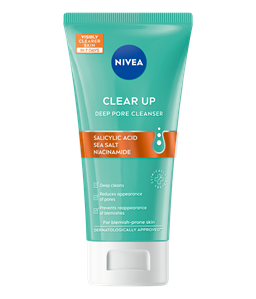
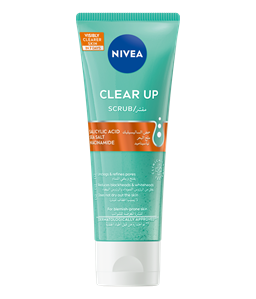
Choose a mild cleanser to wash your face twice a day, sweeping away excess oil and impurities. The NIVEA Clear Up Wash Gel deeply cleanses and helps clear out pores while also removing excess oil. A combination of Salicylic Acid and Niacinamide is specifically formulated to reduce and help prevent the reappearance of blemishes. For double cleansing, use the NIVEA Clear Up Anti Blemish Scrub, as it can enhance the effectiveness of other skincare products by allowing them to penetrate deeper into your skin.

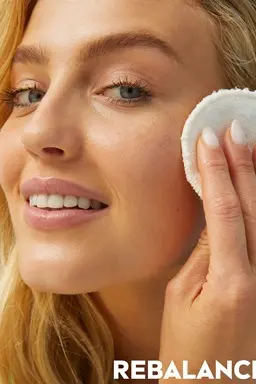
Adding a gentle, hydrating toner to your routine offers several advantages. It helps to maintain your skin's pH balance and effectively eliminates excess dirt, oil and makeup. The NIVEA Clear Up Toner can help to hydrate your skin while rebalancing it.
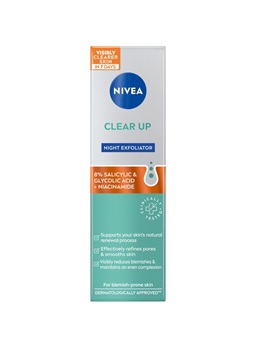
Exfoliating helps remove dead skin cells and prevents dirt build-up so that your pores are less likely to get clogged. This step should only be done 1–2 times a week to avoid over-exfoliation. The NIVEA Clear Up Chemical Exfoliator enriches and renews your skin through high concentrations of Salicylic and Glycolic acid.
UV rays can increase redness and inflammation of breakouts, causing them to become dry and sore. Your skin's response to being dried out by the sun is to release more sebum, which then leads to clogged pores. Therefore, it's essential to apply a broad-spectrum sunscreen with an SPF of 30 or higher every morning and during the day. The NIVEA UV Face Shine Control SPF 50 helps to absorb excess oil from your skin's surface while protecting against UVA / UVB-induced skin damage. Remember that some ingredients, such as Alpha Hydroxy Acids, can increase your skin's sensitivity to sunlight.
Home remedies to
treat whiteheads
- Tea tree oilTea tree oil may help to clear up spots due to its anti-inflammatory properties. Create a solution by blending 1–2 drops of tea tree oil with 3–4 drops of jojoba oil. Apply this mixture to the affected areas and follow up with a moisturiser to help prevent dry skin.
- Aloe veraAloe vera's moisturising effects may help prevent skin dryness commonly caused by acne treatments. Scrape the aloe vera gel out of the leaf using a tablespoon and apply it directly to the affected area as a moisturiser at night. This could also help remove bacteria from whiteheads; just remember to wash it off in the morning.
- HoneyHoney's chemical properties, such as its high sugar concentration and acidic environment, can hinder bacterial growth. Cinnamon may help to shrink pores, leading to smoother and more even-looking skin. The combination of both can help to reduce the bacteria responsible for inflamed pores. Mix 2 tablespoons of honey with 1 teaspoon of cinnamon to create a paste. Start by cleansing your face, then apply the paste and let it sit for 10–15 minutes. Rinse the mask off with warm, but not hot, water and gently pat your face dry. This mask can really help to treat whiteheads on your nose, as both of these ingredients have antimicrobial properties.
Remember – If you notice any signs of skin irritation, you should immediately stop what you’re doing and chat to your GP for advice.
Summary
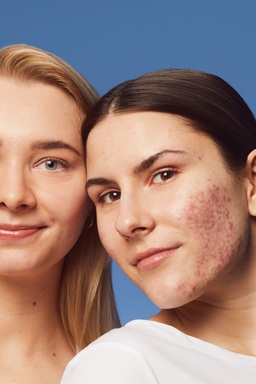
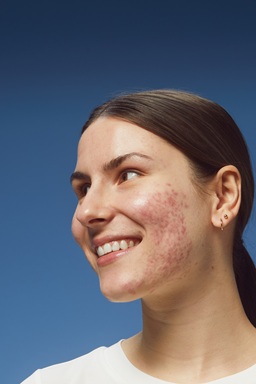
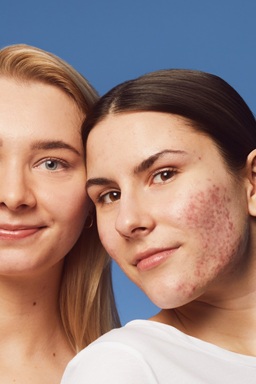
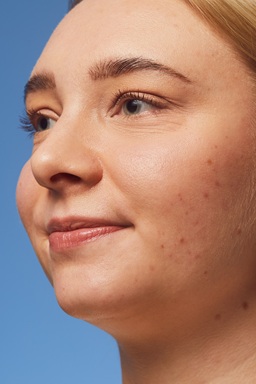
Whiteheads are small skin bumps characterised by a closed, white or yellowish centre, often surrounded by red, inflamed skin. They result from clogged pores trapping sebum, dead skin cells and bacteria beneath the skin's surface.
Whiteheads can appear on various parts of your body, and effective treatment involves a personalised skincare routine and seeking professional help if necessary. In addition, a balanced diet, stress management, enough sleep and gentle skin care are all essential for skin health. Sun protection is also crucial to help prevent whiteheads when your skin is exposed to UV rays. Home remedies like tea tree oil, aloe vera and honey–cinnamon masks may help to fight whiteheads, but you should always be cautious to avoid irritating your skin.