Cheek spots:
Causes and meaning
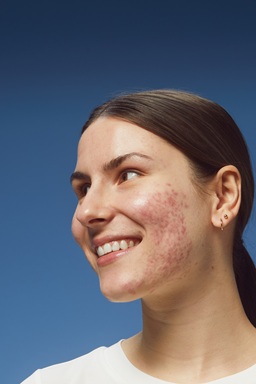
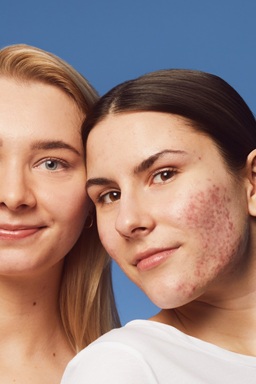
Cheek spots are a common skin concern that many people across different age groups and genders deal with. They can be a sign of a wide range of skin issues that show up, as the name suggests, on your cheeks. These can be things like pimples, acne, or little discoloured marks. Even though they look different, they all share one thing in common: they affect your cheeks.
This article explores this specific skincare concern, covering the different types of spots on cheeks, the factors that contribute to them, and why it matters to address them. As part of this, you’ll find practical guidance on how to treat and prevent these spots effectively, helping you work towards smoother and clearer-looking skin.
Types and causes of
cheek spots
Understanding cheek spots is important for your skincare. Often, they can be signs of bigger skin problems, like hormone imbalances, not‑so‑great skincare habits, or certain dietary choices.
By digging into the reasons behind these spots, you can uncover useful insights about your skin health and overall well-being. So, what exactly are the types of cheek spots and how do they form?

What are cheek pimples?
Cheek pimples is a general term to describe individual pimples that appear on your cheeks. Similar to cheek acne, they can be whiteheads, blackheads, red spots, or pus-filled lumps. They also form when the hair follicles become clogged with dead skin, sebum, or bacteria. Even though cheek pimples are common, they may eventually cause scarring if you leave them untreated.
Why do they occur?
Cheek pimples can be the result of poor skincare, too much oil on the skin, or even dirt in the air. Picking at them or using makeup that blocks the pores can worsen their appearance. Treating pimples typically involves adopting good hygiene practices, such as keeping your face clean and avoiding touching any of the pimples.
What is cheek acne?
Similar to cheek pimples, cheek acne is a more persistent and widespread condition where various acne lesions appear at the same time. These can be whiteheads, blackheads, red bumps, cysts or big painful spots – all of which consistently appear on your cheeks. They show up when hair follicles become blocked and produce too much sebum (oil). It’s normal for people of all ages to experience this, especially young people – and it can be genetically inherited.
Why does it occur?
The development of cheek acne can be linked to various factors. It may be triggered by hormonal fluctuations during puberty or other life stages, excess sebum production, inflammation, or the presence of certain acne bacteria. In addition, poor skincare practices such as not cleansing your face properly, excessive makeup application, or a diet high in unhealthy foods can make the condition worse. Treatment often involves prescription medicine, a tailored skincare routine, and in some cases, dermatological treatment.

What is hormonal cheek acne?
Hormonal cheek acne is a specific type of cheek blemish, typically observed in females. These painful red bumps or prominent spots appear in response to hormonal fluctuations, such as those that happen during your menstrual cycle.
Why does it occur?
Hormonal cheek acne arises when the body’s hormonal balance is disrupted, resulting in excessive oil production and subsequent blemish formation. Stress and certain medications can make these symptoms worse. Understanding the role of hormones in cheek acne is crucial for effective treatment, and often needs specialised interventions to help you achieve clearer skin.
What are
adult cheek spots?
It’s a common misconception that skin issues, particularly spots on the cheeks, only happen during the teenage years. However, as an adult you can also be left wondering why you’re suddenly experiencing a breakout on your cheeks. Understanding why this occurs is key if you want to deal with these concerns effectively.

- Hormonal changes
Hormonal fluctuations carry on into adulthood, particularly in women. Menstruation, pregnancy, perimenopause, and menopause can all lead to shifts in hormone levels. These changes can trigger increased sebum production, making you more likely to develop cheek spots.
- Dirty bedding
Bacteria can build up on unwashed sheets and pillowcases. Regularly washing your bedding can help to prevent cheek spots from forming.
- Stress
The demands and stresses of adult life can take a toll on your skin. Stress triggers the release of cortisol, a hormone that can stimulate oil production and inflammation in the skin, potentially worsening symptoms of acne and leading to spots on your cheeks.
- Skincare habits
Over time, you might fall into skincare habits or routines that are less than ideal. Using harsh products, skipping moisturiser, or not updating your routine as your skin’s needs change can all contribute to cheek spots.
- Diet and lifestyle
Poor dietary choices, excessive alcohol consumption, and smoking can negatively impact your skin health as an adult. These factors can increase inflammation and disrupt your skin’s balance, leading to spots.
Significance of
cheek spots in adults
Adult cheek spots can be more than just a cosmetic concern. They can knock your self-esteem and confidence, just like they do for younger people. On top of that, these spots may be a sign of underlying health issues or imbalances, such as hormonal irregularities or dietary problems.
Understanding the significance of cheek spots in adults is essential if you want to tackle the root causes effectively. By recognising the factors that are specific to adults and the possible impact on your overall well-being, you can take proactive steps to manage and prevent cheek spots, and ultimately work towards clearer, more radiant skin.
Spots on cheeks
Why do they appear? Cheek spots typically appear due to factors like hormonal fluctuations, poor skincare habits, and dietary choices.
What are the different types? Cheek spots include a range of different types, such as whiteheads, blackheads, red bumps, and painful lesions.
Who is most likely to experience them? People of all ages, not just teenagers, can develop spots on their cheeks, with adults also affected by hormonal changes and lifestyle factors.
How can their appearance be reduced? To reduce the appearance of most cheek spots, aim for a balanced diet, keep up good skincare habits, manage your stress, and – in persistent or severe cases – chat to a dermatologist for a tailored treatment plan.
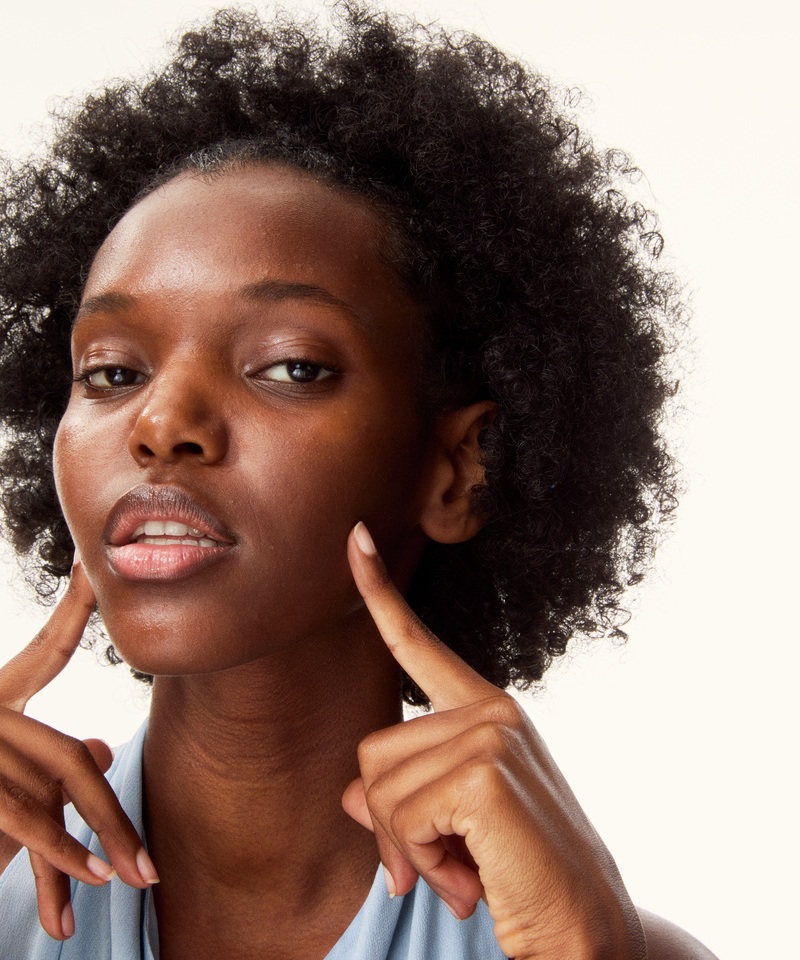
Getting rid of cheek spots, or the symptoms of cheek acne, involves a multi-step approach that includes skincare routines, lifestyle changes, and, in some cases, medical treatments. The best treatment for you should be tailored to the specific type and severity of your cheek spots.
- Topical skincare products
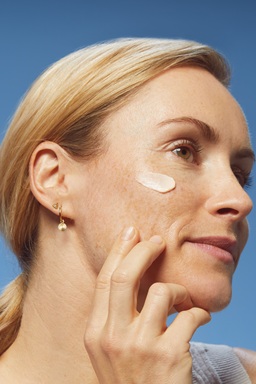
Topical skincare products: Over-the-counter or prescription creams and gels containing ingredients like Salicylic Acid or retinoids can help treat mild to moderate cheek spots. These products work by unclogging pores, reducing inflammation, and promoting skin renewal.
- Lifestyle changes
Adopting a healthy lifestyle can make a real difference when you’re trying to manage cheek spots. Reducing stress through relaxation techniques, keeping to a balanced diet, and staying hydrated may all help you on your way to clearer skin.
- Gentle skincare routine
A proper skincare routine is essential for both preventing and treating cheek spots. This includes daily cleansing, moisturising, and sun protection.
The importance of a
tailored approach
There’s no one-size-fits-all solution for cheek spots, because everyone has unique skin types, conditions, and lifestyles. That’s why it’s essential to tailor the treatment approach to your specific needs. Chatting to a dermatologist is often a great first step, as they can assess your skin, identify the type and severity of your cheek spots, and recommend the most appropriate treatment routine for you.
Preventing cheek spots is just as important as treating them. Here are some proactive steps you can take to help keep your skin clear:
- Moisturise regularly
Keep your skin well-hydrated with a non-comedogenic moisturiser. Well-hydrated skin is less likely to develop clogged pores and spots.
- Sun protection
Always use sunscreen with at least SPF30 to protect your skin from harmful UV rays. Sun damage can make cheek spots worse and lead to pigmentation issues.
- Healthy diet
Try to stick to a balanced diet that’s rich in fruits, vegetables, and whole grains. Avoid too many sugary, processed foods, which can contribute to inflammation and acne.
- Stress management
Stress-reduction techniques like yoga, meditation, or deep breathing exercises can help you lower your stress levels. High stress can trigger hormonal fluctuations that lead to cheek spots.
- Regular exercise
Getting regular physical activity can improve blood circulation and help you maintain healthy-looking skin. Just remember to cleanse your skin after workouts to remove sweat and bacteria.
- Avoid touching and picking
Try to resist the urge to touch or pick at cheek spots, as this can make inflammation worse and might lead to scarring.
- Hydration
Drink plenty of water to keep your skin hydrated from the inside out. This can help flush out toxins and support your skin’s elasticity.
An effective cleansing routine for
cheek spots

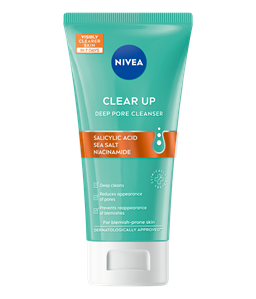
Start your routine by gently cleansing your face using a suitable daily cleanser. This helps remove dirt and excess oil without stripping your skin’s natural moisture. The NIVEA Clear Up Wash Gel deeply cleanses to clear out pores and remove excess oil. It’s specifically formulated for blemish-prone skin to effectively reduce and help prevent the reappearance of blemishes.
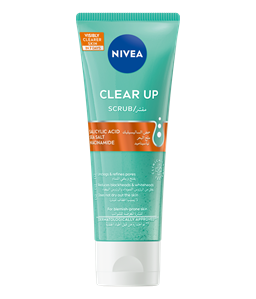
Use a gentle exfoliating scrub once or twice a week to help remove dead skin cells and unclog pores. The NIVEA Clear Up Anti-Blemish Scrub contains Salicylic Acid and Niacinamide to unclog the pores, refine your skin texture and reduce blackheads & whiteheads.
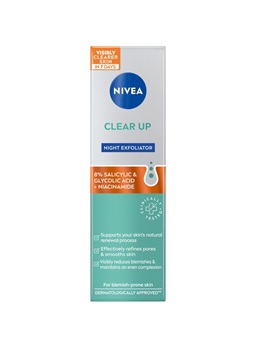
Apply an appropriate treatment based on the cheek spots that you see. For mild to moderate spots, consider products with ingredients like Salicylic Acid or retinoids. The NIVEA Clear Up Chemical Exfoliator visibly reduces and helps prevent the appearance of pimples. It’s formulated for daily use, containing Salicylic Acid, Glycolic Acid and Niacinamide for visibly clearer skin in 7 days. Always follow the product instructions carefully.

After cleansing and using any treatments, apply a hydrating, non-comedogenic moisturiser to keep your skin well-hydrated. Moisturised skin is less likely to develop clogged pores and spots. If your skin is particularly sensitive, try the NIVEA Mattifying Day Cream, which intensively moisturises for up to 24 hours while also helping to minimise your skin’s oil level for a shine-reduced complexion.
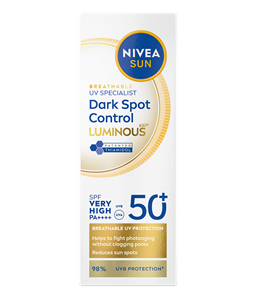
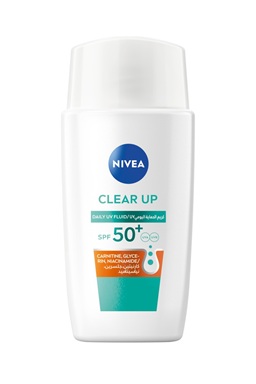
Finish your morning routine by applying sunscreen with at least SPF30 every day, even when it’s cloudy. Sun protection is crucial to prevent sun damage that can make cheek spots worse and lead to pigmentation issues.
By following this routine consistently every day, you can help reduce the appearance of cheek spots over time and lower the chances of new ones forming.
Summary
- Cheek spots, including acne and pimples, affect people of all ages, not only teenagers, which makes it important to understand their causes and what they mean when you’re choosing skincare products. Factors such as hormones, diet, skincare habits, and stress all play a role in the formation of cheek spots, and they can sometimes also point to underlying health issues.
- There’s a wide range of treatment options for cheek spots – from topical skincare products to lifestyle changes, depending on your individual needs. Achieving and maintaining clear skin takes consistency in your skincare and lifestyle choices, so it helps to understand the root causes and to follow guidance patiently and consistently.