How to reduce
facial redness
How to reduce
facial redness
Facial redness is often a cause of concern for many people. Irritating red blotches on your face can become persistent and even painful depending on the severity. But what causes facial redness and how can you reduce redness on your face?
Read on to discover answers to your questions on this topic, including the main causes of a red face and the many effective ways you can treat it.
What are
the red blotches on your face?
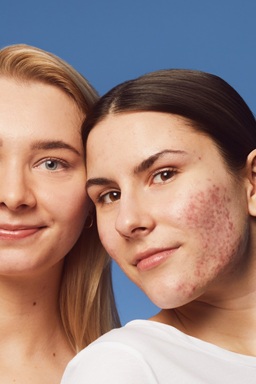
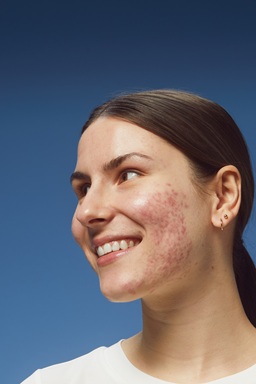
The red blotches on your face, known as facial redness, can show up as flushed skin on your cheeks, thickened and uneven skin around your nose, or small visible blood vessels across your face.
The way facial redness looks can differ depending on the cause, and it can be linked to an abnormality within the face’s venous system (such as dilated facial blood vessels). You might experience short-term facial redness through emotional responses such as blushing, while more intense forms of facial redness can be signs of an underlying medical condition.
Why is my face
red?
Facial redness is caused by a variety of conditions, including medical and emotional responses. Red blotches on your face may appear from sun exposure, allergic reactions, acne breakouts or even sudden temperature changes.
If your face constantly feels irritated and you want to ease the discomfort, understanding what’s causing your facial redness is extremely important. Facial redness can be triggered by the following conditions:
- Over-exfoliation:
Exfoliation can help remove dirt and pollutants from your skin, but exfoliating too much can damage your skin’s protective barrier. This often leads to facial redness and a tight feeling. Over-exfoliation strips your skin of its natural oils, so it’s important to give your skin a chance to recover between exfoliating sessions.
- Alcohol flush reactions:
Facial redness can happen when some people drink alcohol. This is a sign of alcohol intolerance and is caused by differences in our genes. Some people get it, and some don’t.
- Sun overexposure:
Sunscreen is important! Going out in the sun without protecting your skin can cause signs of facial redness, both in the short term and over time. It’s better to prevent further damage by applying sunscreen to avoid sun overexposure than trying to reverse it later.
- Spider veins:
Spider veins can develop when you don’t protect your skin from the sun. As you get older, sun damage to your skin builds up, causing fine red veins to appear around your nose.
- Warmth:
When your body overheats, your skin can turn red as blood moves closer to the surface to help cool you down.
- Allergic reactions:
Allergic reactions on your skin can be triggered by a variety of substances or specific skincare ingredients you might be sensitive to. If red rashes or hives keep appearing on your skin, it’s a good idea to seek professional help.
- Eczema:
Eczema may show up as red, white or purple bumps, depending on your skin tone. It’s a medical condition that makes skin itchy, dry and cracked, and it can be caused by allergic reactions as well as genetics.
- Acne breakouts:
Inflammation from acne breakouts can be the reason your face is uncomfortably red. When excess oil, bacteria and dead skin cells get into your pores, this causes redness and swelling. You might see small, red bumps appearing on your face. The good news is there are many ways to combat acne breakouts.
- Facial flushing:
Facial flushing happens when your blood vessels dilate and your face temporarily turns red. Compared to simple blushing, facial flushing is much more intense and is often a result of emotional stressors like anxiety or embarrassment. It can also be triggered by medical conditions, including high fever or rosacea. If you’re worried about facial flushing, it’s best to visit your doctor for advice.
Facial
FLUSHING
Common triggers that cause rosacea flare-ups include:
- Alcohol
- Caffeine
- Stress
- Intense exercise
- Too much sunlight / heat
- Spicy food
- Cold weather
- Humidity
- Dairy
- Medications
If you’ve noticed facial flushing and persistent facial redness after any of the triggers mentioned, you might be experiencing rosacea. Other symptoms to look out for include dry or sensitive skin, and facial swelling.
If you keep taking good care of your skin, you can often ease these symptoms and refresh your facial complexion. If you’re worried about rosacea, make sure you consult a doctor.

Treating
FACIAL REDNESS
If you know your facial redness has come from a skin condition, or if it’s been bothering you for a long time, NIVEA recommends visiting your local dermatologist.
How to cure redness on your face overnight
with the right ingredients

Aloe vera:
Aloe Vera is an ingredient that can help reduce signs of facial redness thanks to its antioxidant, antibacterial and anti-inflammatory properties. Aloe Vera can be used for sunburn and wound healing, and it’s extremely effective in targeting skin conditions including eczema, rosacea and acne breakouts. The NIVEA Naturally Good Radiance Day Cream, enriched with organic Aloe Vera, is a great choice if you want to improve your complexion by reducing red blotches while keeping your skin moisturised.
Salicylic acid:
Salicylic Acid is mostly found in skincare products that target blemishes. Known as an excellent chemical exfoliant, Salicylic Acid helps remove dead skin cells on your face. This keeps your skin fresh and lowers the chance of acne breakouts, making it an ideal ingredient for reducing facial redness.
Glycolic acid:
Glycolic Acid is a fruit acid that can visibly improve your skin’s appearance by removing dead skin cells. This helps you maintain healthy-looking skin and ensures that excess oil or pollutants don’t penetrate deeply, which are common root causes of facial redness.
A word from our expert:
"Some other active ingredients known to soothe the skin, with anti-inflammatory properties and barrier-strengthening effects, are Vitamin E, Vitamin B5 (Panthenol) and Bakuchiol."
- Dr Andre Mahns, Head of Global Development. With a doctorate in biology and over 15 years of experience in skin research at Beiersdorf, Dr Mahns has in-depth scientific knowledge of skincare and cosmetic ingredients.
Clear Up
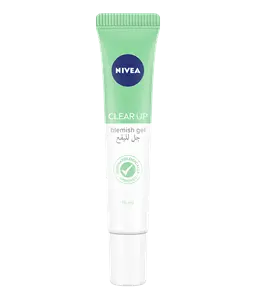
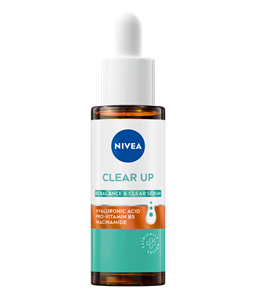
If acne breakouts are a major cause of facial redness for you, have a look at the NIVEA Clear Up range. This range combines Salicylic Acid and Glycolic Acid with other beneficial ingredients to create products that help combat blemishes and reduce facial redness. All products are mildly formulated and have been clinically tested, with NIVEA studies showing a 93% visibly clearer complexion within seven days.

How to get rid of redness on your face:
home remedies
If you’re looking for home remedies that can help ease facial redness, try making your own face masks using ingredients like Aloe Vera and cucumber extract. By blending cucumber with some oats, you can create your own cooling mask, which is often very effective at toning down redness. Placing cucumber slices directly on red spots can also cool and reduce redness.
Clay masks can also be very helpful when you want to calm irritation from facial redness. Thankfully they’re simple to make. Try mixing water with facial clay to create a thick paste, then spread it across your face for about 20 minutes before rinsing it off. If your redness is from sunburn, mix some aloe vera with white vinegar and apple cider vinegar to help reduce the sting.
Other ingredients that can help tone down facial redness include:
- Honey
- Chamomile tea bags
- Lavender oil
- Coconut oil
- Yoghurt
Home remedies can help ease symptoms of facial redness, but following a targeted skincare routine is still the best option whenever you can.