Body Odour and
Smelly Armpits
What is a
Smelly armpit odour?
Armpit odour, often referred to as body odour, is the natural scent your body produces when sweat and bacteria interact on the skin's surface. This odour can vary a lot from person to person because of factors like genetics, diet and overall health. Sweat itself is odourless, but when the bacteria on your skin break it down, they release volatile compounds that can cause an unpleasant smell.
If you keep up good personal hygiene – like regular bathing or showering, wearing breathable clothing and using antiperspirants or deodorants – you can help minimise and manage bad armpit odour very effectively.
6 Common areas for
body odour
Body odour can show up in various areas of your body, but it’s most commonly linked to the following areas because they have a higher concentration of sweat glands:
- Armpits: Your underarms are one of the main areas for body odour because they contain a high density of sweat glands. When sweat mixes with bacteria on the skin's surface, it can lead to a noticeable odour.
- Groin Area: The genital and perianal areas also have many sweat glands. Sweat and bacteria can combine here, leading to a distinct odour.
- Feet: Feet are prone to body odour because they have lots of sweat glands, especially on the soles. When your feet sweat and stay in moisture-absorbing shoes or socks, it creates the perfect environment for bacteria to thrive, causing foot odour.
- Chest and Back: The chest and back have sweat glands too and, for some people – especially if you’re quite active – body odour can develop in these areas.
- Hair and Scalp: Scalp odour can happen when sweat mixes with oils and hair products. It’s less common than underarm or foot odour, but it can still be noticeable.
- Face: Even though it’s not as common as other areas, facial sweat combined with bacteria can also lead to facial body odour, especially in hot and humid conditions.
The common causes of
armpit odour
Body odour, including smelly armpits, is mainly caused by the interaction between sweat and bacteria on your skin. Here are 6 common causes:

- Sweat and Bacteria Interaction: The most common cause of a smelly armpit odour is the interaction between sweat and bacteria on your skin's surface. Sweat is mostly made up of water and salt, but when bacteria break it down, it can produce unpleasant odours.
- Apocrine Sweat Glands: Apocrine sweat glands, found mainly in areas like your armpits, groin and scalp, produce a thicker type of sweat that contains proteins and lipids. When this sweat interacts with bacteria, it can create a stronger and more noticeable odour.
- Hormonal Changes: Hormonal fluctuations – for example during puberty, menopause or pregnancy – can lead to increased sweat production and changes in armpit odour. Hormones influence how active your sweat glands are, which can change your body odour over time.
- Dietary Choices: The foods you eat can also influence your body odour. Strong-smelling foods like garlic, onions and spices contain sulphur compounds that can be released through your sweat and breath and contribute to an unpleasant odour, such as onion-smelling sweat.
- Stress and Anxiety: Emotional stress and anxiety can stimulate your sweat glands, leading to increased perspiration. Stress sweat often contains more proteins and fatty acids, giving odour-producing bacteria even more to feed on.
To help combat smelly armpits and unpleasant body odour, keep up good personal hygiene, use an antiperspirant or deodorant, wear breathable clothing and speak to a healthcare professional if you think there might be an underlying medical cause.
How to prevent
body odour and smelly armpits?
Preventing unpleasant body odour and smelly armpits is all about good hygiene and a few simple lifestyle choices to help minimise sweating and bacterial growth. Here are 10 tips on how you can help prevent body odour:
- Frequent Showering: Take a daily shower using a mild, antibacterial soap. Clean all areas that tend to sweat, including your armpits, groin and feet. Showering helps wash away smelly sweat and bacteria from your skin's surface.
- Use Antibacterial Soap: Choose a soap with antibacterial properties to help reduce the amount of bacteria on your skin even more.
- Shave or Trim: Think about shaving or trimming areas with dense hair growth, such as your underarms. Hair can trap sweat and bacteria, creating an environment where odour can develop more easily.
- Stay Hydrated: Drink plenty of water to stay properly hydrated. Staying hydrated helps regulate your body temperature and may reduce excessive sweating. It’s generally recommended to drink about 1.5–2 litres of water a day.
- Choose Breathable Fabrics: Wear clothing made from breathable materials like cotton or moisture-wicking fabrics. These allow air to circulate and help prevent sweat build-up. Wearing these fabrics while you sleep can also help reduce strong body odour at night.
- Maintain a Healthy Diet: Try to limit strong-smelling foods like garlic, onions and spicy dishes, as they can contribute to body odour. Aim for a balanced diet rich in fruits, vegetables and whole grains.
- Limit Caffeine and Alcohol: Caffeine and alcohol can increase sweating, so try to keep your intake in check, especially during hot weather.
- Manage Stress: High stress levels can trigger your sweat glands. Practice stress-reducing techniques like meditation, yoga or deep breathing exercises to help keep sweat and body odour under control.
- Regular Exercise: Stay active to support your overall health and help reduce stress. Just remember to shower and change into clean clothes soon after exercising to remove sweat and bacteria.
Remember, armpit odour is a completely natural thing and a certain level of odour is normal for everyone. But by following these simple tips, you can really help manage and improve body odour so you feel fresh and confident throughout the day.
If you still have persistent or very strong body odour even with good hygiene, it’s a good idea to chat to a healthcare professional.
Smelly armpit odour facts
Characteristics:An unpleasant smell that arises from the underarms due to the breakdown of sweat by bacteria on the skin.
Causes: By sweat mixing with bacteria on the skin's surface. Sweat itself is generally odourless, but when it interacts with bacteria, it produces a distinct smell.
Prevention: Maintaining good hygiene practices such as regular bathing and using antiperspirants or deodorants.
NIVEA Body Care Routine
to manage smelly armpits and body odour

Armpit odour can be unpleasant and make you feel self-conscious. Whether it’s triggered by your diet, hormonal changes or stress, NIVEA is here with simple, caring solutions. Here’s a helpful body care routine to show you how to smell good and reduce unpleasant body odour and smelly armpits.
Shower and Cleanse:
Start your body care routine by taking a shower. Showering helps wash away sweat odour, bacteria and impurities from your skin's surface. Because bacteria thrive in warm, damp conditions, this step is really important to remove odour-causing microbes.
Exfoliate (1–2 times a week):
Exfoliating once or twice a week helps remove dead skin cells that can trap bacteria and contribute to odour. Use a gentle exfoliating scrub to keep your skin feeling fresh and smooth.
Shave or Trim:
If you have body hair, consider shaving or trimming it as needed. Hair can trap sweat and bacteria, which creates an easy environment for odour to develop. Removing or trimming body hair can help reduce bacterial growth and improve how well your deodorant or antiperspirant works.
Apply Antiperspirant or Deodorant:
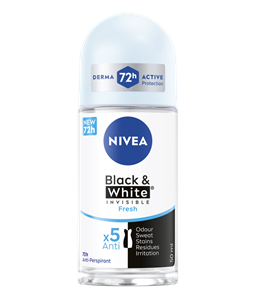
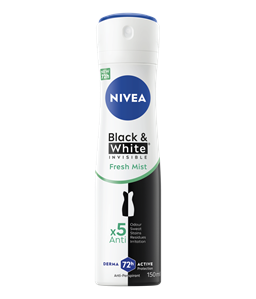
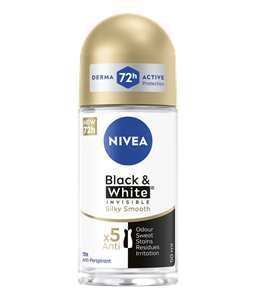
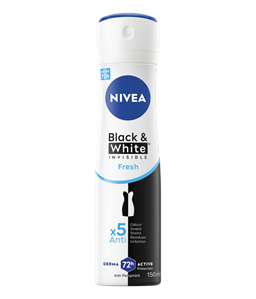
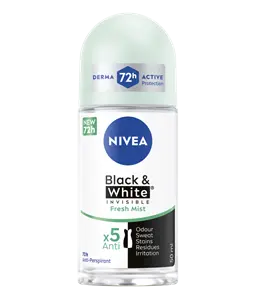
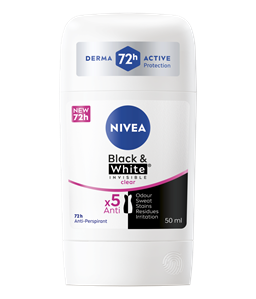
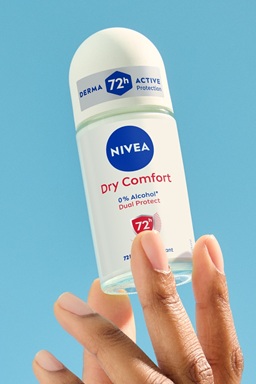
Apply an antiperspirant or deodorant to help control both sweat and odour. Antiperspirants help reduce sweat production, while deodorants help to mask and neutralise odour. NIVEA offers a range of antiperspirants and deodorants that provide long-lasting protection and a pleasant fragrance. Suitable for all skin types, the NIVEA Black & White Clear Original Anti-Perspirant Deodorant Spray is formulated to help provide 48-hour protection from sweat and body odour, while caring for your skin.
Remember that everybody is different, so you might need to tweak your routine to suit your own needs and preferences. NIVEA’s range of body care products is designed to help you stay feeling fresh and confident all day long.
What does your odour scent say
about your health?
- Garlic or Onion Odour: Persistent garlic- or onion-scented sweat is often linked to what you eat. These foods contain sulphur compounds that can be released through your sweat and breath. To help combat this smell, you can try cutting down on these foods or improving your oral hygiene routine.
- Sour or Vinegary Odour: If you notice a sour or vinegary odour coming from your body, it could be a sign of stress and anxiety. Stress can lead to excess sweat and changes in your body’s pH levels, creating this distinct smell. Adding stress-reduction habits like meditation or yoga into your routine can help reduce this odour.
- Sweet or Fruity Odour: A sweet or fruity scent coming from your body might be a sign of high blood sugar levels, which can be linked to diabetes. Regular exercise, a balanced diet and keeping an eye on your blood sugar levels are important steps in managing this odour and supporting your overall health.
- Ammonia-Like Odour: An ammonia-like smell might point to kidney issues, as it can indicate a build-up of waste products in your body. Staying well hydrated and eating a diet rich in kidney-friendly foods like leafy greens and berries can help reduce this odour and support healthy kidney function.
- Musty Odour: A musty or mildew-like smell can result from too much moisture and not drying your skin properly, which can lead to fungal or bacterial growth. Musty body odour can often be prevented by drying your skin thoroughly after bathing, wearing moisture-wicking clothing and using antifungal or antibacterial creams if needed to stop these odours from developing.
- Fishy Odour: A fishy odour, especially in women, could be linked to bacterial vaginosis, a common vaginal infection. Keeping up good genital hygiene, wearing breathable cotton underwear and seeking medical advice if the odour doesn’t go away can help sort this out.
Individual body odours vary a lot, so it’s important to pay attention to any changes. Using these insights in your body care routine can help you proactively deal with potential concerns. If you’re worried about a sudden change in your body odour, it’s always recommended to visit your doctor for advice.
Gender differences in
BODY ODOUR AND SWEATING

Sweating and body odour are natural processes that affect both men and women, but there can be differences in how often and how strongly men and women sweat. Men typically have a higher density of sweat glands, especially in the armpit area, which can lead to more noticeable sweating. This extra sweat can create an environment where bacteria thrive, which can result in stronger body odour.
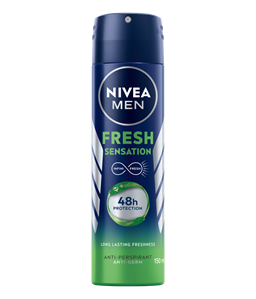
NIVEA MEN deodorants put your personal hygiene and odour prevention first, offering caring protection and long-lasting freshness for everyday life. From sticks to sprays, roll-ons and atomisers, there’s an option to suit your preference – all with distinctly masculine scents.
Women may experience hormonal fluctuations during their menstrual cycles, pregnancy or menopause, and this can affect both the timing and intensity of sweating and body odour.
No matter your gender, keeping up good hygiene and using products like antiperspirants or deodorants can help you manage and reduce body odour effectively so you feel more comfortable in your skin.
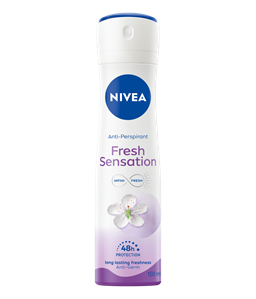
If you’re looking for a long-lasting antiperspirant with a fresh scent of sensual flowers and juicy berries, the NIVEA Fresh Sensation Antiperspirant provides reliable protection for up to 72 hours. It’s made with the unique NIVEA INFINIFRESH formula, which doesn’t just mask odour, but effectively helps to eliminate bacteria before bad odour can even start.
Smelly armpits and body odour
at a glance
Unpleasant underarm smells and body odour are really common concerns, but with the right care and information they can be managed – and in many cases even prevented. To tackle the issue, it helps to understand what’s behind it, including things like hormonal changes, what you eat and how stressed you feel.
Creating a simple body care routine that’s tailored to your body’s needs is key when it comes to dealing with body odour and excessive sweating. By keeping up regular hygiene habits, choosing products like antiperspirants or deodorants that work for you, and making small lifestyle tweaks such as staying hydrated and wearing breathable clothing, you can help maintain freshness and confidence from morning to night.