Should you
shower every day?
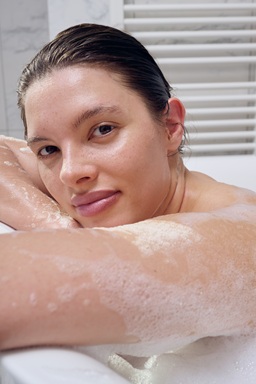
Showering is a fundamental aspect of personal hygiene that most people do every day. For many, it's a ritual for cleanliness and also a moment of solitude and relaxation – but how often should you shower? While for some the answer might be at least once a day, there's more to it than meets the eye.
Read on to explore the steps of bathing, the ideal duration for a shower, and essential tips for effective showering. By the end of this article, you'll have a clearer understanding of how to strike the right balance between cleanliness, self-care, and environmental responsibility.

Showering isn't just about getting wet and scrubbing off dirt; it involves a series of essential steps that make sure you're properly clean. Knowing how to shower can play a key part in determining how often you should shower.
The key steps include wetting your body and hair, lathering with soap, shower gel or lotion (and shampoo and/or conditioner for your hair), rinsing away the suds, and, of course, drying off. Each step plays a crucial role in how effective your shower is, and looking into them in detail will help you master the art of bathing.
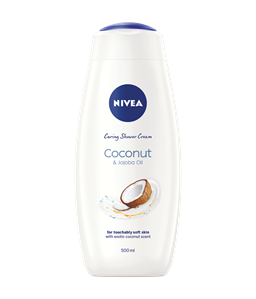
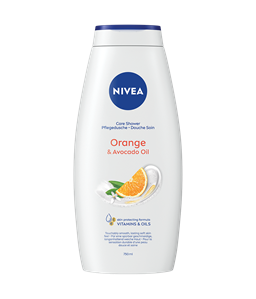
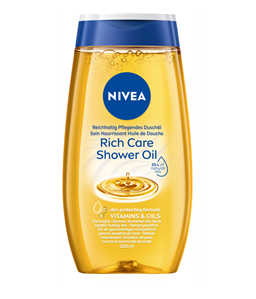
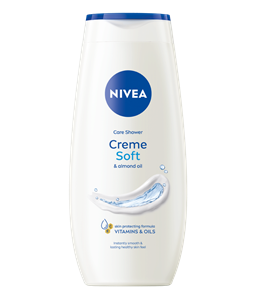
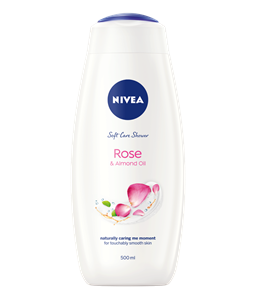
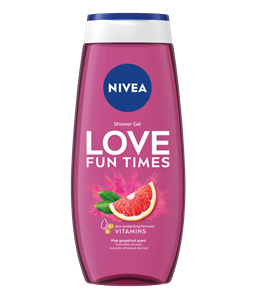
Another crucial factor to consider is choosing the right shower gel or cream. This choice can elevate your showering experience, helping you feel not only clean and refreshed but also properly moisturised and nourished. NIVEA provides a wide range of shower products tailored to different skin needs and preferences, so you can easily find the perfect one for you today.
With all that said, striking a balance between cleanliness and saving water is essential. Whether you're looking to save water or simply optimise your routine, understanding the ideal shower length is a crucial step towards a more sustainable lifestyle.
How many times a week
should you shower?
Figuring out how often you should shower can be a bit confusing. It's not a one-size-fits-all answer; it varies based on things like your lifestyle, the climate you live in, and your personal preferences. For instance, if you live in a hotter climate or do physically demanding work, you're likely to shower more often than someone living in a colder climate who works in an office.

While daily showers have been a societal norm for a long time, there are two key advantages to rethinking how often you shower:
One major benefit is that it helps preserve your skin's natural oils. Daily showers can strip your skin of these essential oils, which may lead to dryness, itchiness and irritation – especially in the colder winter months. By showering less often, you give your skin a chance to maintain its natural balance and stay healthier.
On top of that, cutting down on how often you shower can help save water and free up valuable time in your daily routine, leaving you more room for relaxation or getting things done.
Is it good to shower
every day?
The question of whether daily showering is a healthy habit often divides opinion. On one hand, people who support daily showers say they're crucial for good personal hygiene and for feeling refreshed. They emphasise the instant feeling of cleanliness and the mental boost that comes with a daily shower.
Daily showers can wash away sweat, dirt and bacteria, which helps reduce the risk of skin infections and body odour. Plus, the feeling of warm water can be relaxing and may support your mental well-being, among other benefits. On the other hand, taking a cold shower can maximise these effects, helping you feel refreshed and alert for the day ahead.
People who are cautious about daily showers point to the possible downsides. They note that showering every day can strip your skin of its natural oils, which may lead to dryness and irritation. However, you can ease this effect by taking a cold shower every now and then or by turning the water temperature down halfway through your regular shower.
Very hot, frequent showers may also upset your skin's microbiome, which can lead to skin issues. And of course, more showers mean more water and energy used, which isn't ideal for the environment.
In the end, keeping up good personal hygiene is essential, but it doesn't always mean you have to shower every day. If you find a balance that suits your skin and your lifestyle, you can make sure your shower routine supports your overall health and well-being.
Should you shower every day?
What are the benefits of showering frequently?
Showering often can help you maintain good personal hygiene, wash away dirt and sweat, and leave you feeling refreshed.
Are there any benefits to not showering frequently?
Showering less often may help preserve your skin's natural oils and microbiome, which can reduce the risk of skin irritation for some people.
Is it better to shower in the morning or at night?
Whether it's better to shower in the morning or at night depends on your personal preference and lifestyle. Morning showers help some people wake up, while night showers can be more relaxing and support better sleep.
Are there any drawbacks to showering?
Drawbacks of showering can include skin dryness from very hot water, higher water and energy use, and possible overuse of skincare products, which may lead to skin issues.

After looking at the benefits of showering less often, it's also important to think about what might happen if you don't shower regularly. Skipping showers can lead to a few outcomes:
One of the more obvious ones is body odour, which can become more noticeable if you don't shower very often.
Skin issues like acne and inflammation can also pop up. That said, not everyone will experience the same effects, and there are ways to reduce these risks even if you prefer showering less frequently.
One helpful tip is to use a moisturising body lotion straight after your shower. Hot or warm water can leave your skin feeling dry, so it's important to put that moisture back. For example, the NIVEA Rich Nourishing Body Milk offers 48 hours of deep moisture, protection against drying out and a smooth skin feel without any greasy residue. On top of that, NIVEA has a wide range of body lotions designed for different skin types, so your skin gets the care it deserves.
Is it better to shower in the
morning or at night?
Beyond how often you shower, the time of day you choose to shower can also affect how you feel. Should you shower in the morning to wake up and start your day feeling fresh, or is a night-time shower better because it's more relaxing and helps you sleep?
- Showering in the morning doesn't just help you feel refreshed – it also gives you the chance to wash off any bacteria or sweat that built up overnight.
- In comparison, showering at night may help you sleep better – especially if you live in a warmer climate. That's because warm water can help lower your core body temperature and the cooling effect of moisture evaporating after you towel off can make it easier to drift off.
Whether you choose to shower first thing in the morning or just before bed comes down to what suits you and your lifestyle. There's no definite right or wrong choice. Each option has its own benefits, and some people choose both – but whichever you prefer, it still raises the question: how long should a shower take?

The best shower length is different for everyone, but generally a shower should ideally take around 5 minutes or less and no longer than 15 minutes. This gives you enough time to properly clean the important parts of your body and hair without wasting too much water or risking the negative effects of staying under hot water for too long.
How long you choose to stay in the shower is up to you, but there are a few important things to keep in mind:
- Water conservation:It's important to find a balance between staying clean and saving water. Longer showers use more water, which can be harmful to the environment, especially in areas where water is scarce. Try using a timer or a low-flow showerhead to help you cut down on water usage.
- Skin health:Spending too long under very hot water can strip your skin of its natural oils, which may lead to dryness and irritation. If you have sensitive skin, it's a good idea to keep your showers shorter and use lukewarm rather than hot water.
- Hair care:Depending on your hair type and its specific needs, you might not need to shampoo every time you shower. For example, if your scalp is prone to dryness and flakiness, skipping shampoo (or any other kind of hair washing) for 2–3 days may help to keep your hair moisturised.
- Efficiency:To make the most of your shower time, have your soap, shampoo and other shower products ready before you get in. This can help you stay on track and avoid unnecessary delays.
Summary
Keeping up good personal hygiene is essential, but it doesn't always mean you have to shower every day. There's no one-size-fits-all answer for how often you should shower. The best shower frequency is different for everyone and depends on things like your daily activities, the climate you live in, and your personal preferences.
Whether you choose to shower every day or less often, the main thing is to find a balance that keeps you feeling clean, refreshed and mindful of the environment. Your shower habits should work for your individual needs so that you maintain good hygiene while looking after your skin's health and taking steps towards a more sustainable lifestyle.