What is Skin Peeling and
HOW CAN IT BE PREVENTED?
How To Treat
SKIN PEELING?
Skin peeling, a common concern, can sometimes get in the way of your journey to healthy skin. Whether you're seeing it on your face, your feet, or after sun exposure, understanding the causes and solutions is essential. In this comprehensive guide, we dive deep into the world of skin peeling, exploring what causes it and sharing practical tips on prevention, treatment, and how you can safely look after your skin.
What Is
Skin Peeling?
Skin peeling, scientifically known as desquamation, is a natural process where old skin cells shed to make way for new ones. This shedding keeps skin healthy and vibrant but can be disrupted by various factors.
Understanding this process is essential for managing skin peeling effectively. Your skin continually renews itself, and the shedding of dead skin cells is part of this complex cycle. Typically, this process happens without you even noticing. However, when something interferes with the balance, it can result in excessive peeling.
Common Causes of
SKIN PEELING

- Physiological skin peeling:
One of the most common types of skin peeling is completely natural. Your skin is in a constant state of renewal, with old skin cells being replaced by new ones. As new cells form in the deeper layers of the skin, older cells move up to the surface, where they are eventually shed. This constant shedding is vital for maintaining healthy, vibrant skin.
- Sunburn:
Overexposure to the sun's harmful UV rays can also cause skin peeling. Too much ultraviolet (UV) radiation from the sun or tanning beds can lead to sunburn as the skin's protective barrier is damaged. In response, your body triggers inflammation to repair the damage, resulting in redness and eventually peeling as it sheds the damaged skin cells.
- Dryness:
Insufficient skin moisture results in dry, flaky, and peeling skin. Factors like low humidity, harsh weather conditions, and excessive bathing can make this worse. NIVEA offers a wide range of products formulated specifically for dry skin.
- Medication-Induced peeling:
Some medications can lead to unwanted skin reactions, including peeling. These reactions may happen as a side effect or due to an allergic response to the medication. If you suspect that a medication is causing your skin to peel, it's a good idea to speak to a healthcare provider for guidance.
- Skin Conditions:
Skin conditions like Eczema, Psoriasis, and Dermatitis can disrupt the skin's natural shedding process, resulting in itching, redness, and excessive peeling.
The Impact of Skin Peeling on
Men with Sensitive Skin
Skin peeling can have unique impacts on men with sensitive skin, especially when you think about facial skincare routines and grooming habits. Here's how skin peeling may affect men with sensitive skin:
- Increased Sensitivity:
Sensitive skin, which is already prone to redness, itching and burning, can become even more sensitised when exposed to aggressive or abrasive peeling. This can worsen existing sensitivity problems and cause more discomfort.
- Shaving Challenges:
Men often need to shave facial hair regularly, which can be challenging when the skin is peeling. Shaving over peeling or irritated skin can make the problem worse, leading to nicks, cuts, and extra irritation.
- Post-Shave Discomfort:
Men with sensitive skin may experience more post-shave discomfort when their skin is peeling. Using aftershaves or products with alcohol can make this discomfort worse.
Irritation and Redness: Skin peeling can often cause immediate redness and irritation, which can be more noticeable if you have sensitive skin. This may also trigger conditions like Rosacea or make existing redness worse. - Prolonged Recovery:
Sensitive skin often takes longer to heal and recover after any form of peeling. Redness, dryness, and irritation may last longer, causing ongoing discomfort.
Skin Peeling
Causes: Skin peeling can be caused by a variety of factors, including natural skin renewal, sunburn, dryness, medication side effects, and underlying skin conditions.
Prevention: Preventing skin peeling involves staying hydrated, using moisturisers, practising gentle cleansing, protecting your skin from UV rays, and maintaining a balanced diet.
General Tips: General tips for managing skin peeling include staying consistent with your skincare routine, avoiding picking or peeling the skin, and, in some cases, chatting to a dermatologist for personalised guidance.

To manage skin peeling and its impact on sensitive skin, especially for men, you can try the following steps:
Follow a gentle skincare routine with products specifically designed for sensitive skin to minimise the risk of irritation and help keep your skin healthy.
Moisturise Regularly: Apply a moisturiser specifically formulated for sensitive skin to help lock in moisture and soothe your skin.
Avoid aggressive chemical peels or exfoliants and rather go for milder options formulated for sensitive skin.
Choose alcohol-free aftershaves or soothing balms to reduce post-shave irritation. Pat, don't rub, your face with a clean towel after shaving to avoid further irritation.
Always use sunscreen to protect your skin from UV damage, as sensitive skin is often more prone to sunburn and damage.
Peeling Skin
on feet
The skin on your feet can take more strain than you might think. Whether it's the discomfort of tight shoes, contact with potentially unclean surfaces, or lots of exposure to different environmental factors, there are plenty of reasons why the skin on your feet may start peeling.
- Dry Skin:
One of the most common reasons for peeling skin on the feet is dry skin. Not enough moisture can lead to the skin on your feet becoming dry, flaky, and prone to peeling.
- Allergic Reactions:
Allergic reactions to certain footwear materials, detergents, or lotions can lead to skin irritation and peeling on your feet.
- Excessive Moisture:
Prolonged exposure to moisture, such as wearing wet shoes or socks for extended periods, can soften the skin and make it more likely to peel.
- Sunburn:
Sunburn on the feet, which is often overlooked, can lead to skin peeling as the damaged skin starts to heal.
How could Skin Peeling be
stopped or prevented?
Whether you're dealing with environmental factors, skin conditions, or excessive dryness, understanding your options for prevention and treatment is essential.
- Stay Hydrated:
Proper hydration is vital for maintaining skin health and reducing the chances of peeling. Aim to drink an adequate amount of water daily (at least 2 litres a day).
- Moisturise:
Add a nourishing moisturiser to your daily skincare routine. Moisturisers lock in moisture and support your skin's natural repair processes while also helping to even out peeling skin.
- Gentle Cleansing:
Choose mild cleansers that preserve your skin's natural oils and use lukewarm water instead of hot water. This gentle approach helps maintain skin hydration.
- Sun Protection:
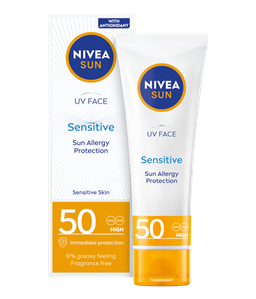
Protect your skin from the sun's harmful UV rays by applying sunscreen with at least SPF30, especially when you're outdoors.

Cleanse:
Start your skincare routine with a refreshing shower, making sure your skin is thoroughly wet. Next, apply NIVEA Creme Soft Shower Gel generously to your entire body, using lukewarm water. The unique formula of the gel combines the benefits of Vitamins C and E to help prevent skin from drying out, leaving it nourished and revitalised.
Exfoliate:
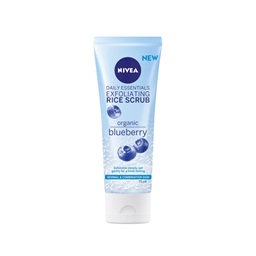
Exfoliation helps remove dead skin cells and improve skin texture. Try to avoid over-exfoliating, as this can lead to skin irritation. You can also learn more about exfoliation in this guide.
Moisturise:
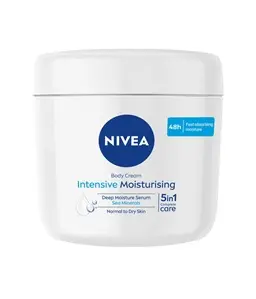
One of the most important steps to prevent dry skin is to regularly moisturise. When your skin is properly hydrated, it stays supple and less likely to crack or peel. It's also a good idea to use a slightly richer moisturiser in the evening to give extra hydration and help repair the skin barrier while you sleep.
The NIVEA Repair & Care Body Lotion helps protect your skin and delivers intense deep moisture. Dexpanthenol in the formula strengthens the skin's natural barrier while also calming irritated areas.
On top of that, the NIVEA Q10 Rich Firming Body Lotion is enriched with two powerful antioxidants, Q10 & Vitamin C, which provide a smooth skin feeling while also improving the skin's elasticity.
SPF protection:
SPF protection is a vital step in maintaining the health and appearance of your skin. Tanning without sunscreen not only speeds up skin peeling but also raises the risk of sunburn, premature ageing, and skin damage. Protect your skin from harmful UV rays by applying a broad-spectrum sunscreen with SPF 30 or higher. The NIVEA Sun Protect & Moisture Lotion reliably protects your skin from UV rays, while Vitamin E supports moisturising.
Home Remedies for
Mild skin peeling
Dealing with mild skin peeling? The good news is that you can often find relief right at home. In this guide, we look at a range of simple but effective home remedies that can help soothe and refresh your skin, leaving it soft, smooth, and free from peeling.
- Aloe Vera:
Aloe Vera gel is well-known for its soothing and hydrating properties. Applying a thin layer of Aloe Vera gel to the affected area can help reduce irritation and inflammation and support skin healing. The NIVEA Moisturising After Sun Lotion, made with Hyaluron and Aloe Vera, can help to avoid peeling or flaking and is perfect to use after you've been in the sun.
- Coconut Oil:
Coconut Oil is high in saturated fats, which are great for moisturising skin. The NIVEA Oil In Coconut & Monoi Oil Lotion's formula contains precious Monoi Oil, which is nutrient-rich and can help skin feel moisturised, smooth and protected. The fast-absorbing lotion is non-greasy and a great addition to a dry skin routine.
How can Skin Peeling be reduced by
adjusting your lifestyle?
Skin peeling can be both uncomfortable and something you want to hide, but with a few simple lifestyle tweaks and mindful choices, you can significantly reduce how often it happens. From feeding your body with the right foods to embracing stress-relief practices, these tips will help guide you towards more nourished, revitalised skin.

Balanced Diet: Your skin's health is closely tied to the nutrients you give your body. Aim for a balanced diet that includes a variety of fruits, vegetables, whole grains, lean proteins, and healthy fats. These foods supply essential vitamins, minerals, and antioxidants that help maintain skin health. Vitamins C and E, found in citrus fruits, berries, nuts, and seeds, are particularly helpful for promoting skin elasticity and fighting damage from free radicals.
Get Adequate Sleep: Quality sleep is a crucial part of any skincare routine. While you sleep, your skin goes through a natural repair and regeneration process. Aim for 7–9 hours of uninterrupted sleep per night to give your skin cells the time they need to recover and rejuvenate.
Stress Management: Build stress-reduction techniques into your daily routine, such as meditation, yoga, or deep breathing exercises. These practices not only help you unwind but also reduce the production of stress hormones like cortisol, which can trigger skin issues.
Refrain from picking or peeling the skin. This habit can damage your skin's protective barrier and may lead to scarring and infection.
If the peeling is severe or linked to a medical condition like Eczema or Psoriasis, talk to a dermatologist for help. They can create a treatment plan tailored to your specific needs and concerns.
Getting lasting improvements in your skin's health may take time. Be patient and stay consistent with your skincare routine and healthy lifestyle choices. Remember, your skin needs time to heal and regenerate.
Summary
Skin peeling, though common, doesn't have to become a big problem for you. With the right knowledge and care, you can help keep your skin soft, supple, and beautiful. Understanding the causes, building a complete skincare routine, and using recommended products are key steps towards a healthier-looking complexion while helping to prevent future peeling. It's also important to understand your skin type so you can choose the most suitable treatment.
Everyone's skin is different, so it may take a bit of trial and error to find the routine and products that work best for your specific skin type and needs.