What Causes Skin Dehydration and
how can you help prevent it?
What is
DEHYDRATED SKIN?

Dehydrated skin means that your skin is lacking water. It happens when your skin doesn’t have enough essential moisture, which can leave it feeling dry and itchy, with a dull-looking appearance.
This skin concern can lead to an uneven tone and complexion, which makes dehydration lines under the eyes, on the forehead and wrinkles more noticeable.
The good news is that dehydrated skin can be effectively improved through simple lifestyle changes. By focusing on replenishing and maintaining hydration, you can help restore your skin’s natural balance.
Dehydrated skin vs
DRY SKIN
Dehydrated skin is commonly confused with dry skin. Dry skin is caused by a lack of oil production, which can result in tightness and flakiness.
It’s considered a specific skin type, along with normal, combination and oily skin. Dehydrated skin, on the other hand, is caused by a lack of water, leading to dullness and possible discomfort.
It’s important for you to understand what dehydrated skin looks like, and the difference between these two skin concerns, so you can give each one the right kind of care.

What causes
SKIN DEHYDRATION?
Dehydrated skin is caused by not having enough water in the skin cells, and there are many things that can contribute to this.
Here are 4 common causes of skin dehydration:
- Weather conditions:Exposure to harsh weather conditions, including cold winds, low humidity and excessive heat, can strip your skin of moisture.
- Inadequate hydration:Not drinking enough water or consuming dehydrating drinks like alcohol or too much caffeine can leave your skin dehydrated from the inside out.
- Hot showers:Long, hot showers or baths can strip your skin of its natural oils and moisture.
- Neglecting a Gentle Skincare Routine:Using skincare products with harsh ingredients can disrupt your skin’s natural moisture balance and leave it feeling more dehydrated.
What are the
SYMPTOMS OF DEHYDRATED SKIN?
Understanding dehydrated skin symptoms is crucial if you want to treat and care for your skin effectively.
Here are 7 common symptoms to look out for on your face and body:

- Dryness:Dehydrated skin often feels dry to the touch and lacks moisture, which can cause tightness and discomfort.
- Itchiness:Dehydration can lead to itching and a feeling of irritation on the skin’s surface.
- Dullness:Skin may appear dull, lacking the healthy glow you’d expect from well-hydrated skin.
- Uneven skin tone:Dehydration can cause an imbalance in the skin, resulting in an uneven complexion with possible areas of hyperpigmentation or dull patches.
- Increased visibility of fine lines:Dehydrated skin tends to accentuate fine lines and wrinkles, making them more noticeable.
- Under-eye circles:
A lack of hydration can contribute to the appearance of dark circles under the eyes and dehydration lines under the eyes, giving you a tired and worn-out look.
- Dry lips:
Dehydration affects the delicate skin on your lips, causing dryness, chapping and flaking.
By recognising these signs, you can take proactive steps to address the issue.
5 Tips to help with
DEHYDRATED SKIN
- Wash with lukewarm water:Hot water can make your skin feel even more dehydrated. When you wash your face and body, try to use lukewarm water instead.
- Use gentle care products:Harsh products can strip your skin of moisture. Rather choose gentle products that help hydrate and moisturise your skin, leaving it looking and feeling nourished.
- Use gentle exfoliators:Even though they’re popular for removing dead skin cells, exfoliating brushes and tools can irritate your skin. It’s better to use a gentle exfoliator that suits your skin and doesn’t cause excessive irritation.
- Use a hydrating moisturiser:You shouldn’t rely only on an oil-based moisturiser. Use a hydrating moisturiser and apply it both day and night for continuous nourishment and a radiant complexion.
- Hydrate from within:Make sure you drink enough water every day. Hydration starts from the inside, so aim for at least 2 litres of water daily to replenish and nourish your body, supporting overall skin health.
Skin care to help
DEHYDRATED SKIN

It’s important to give your skin the care it needs, especially if it’s dehydrated. Here are a few skincare steps you can follow to help improve dehydrated skin.
Cleansing routine:
Gentle Cleansing: Use a gentle cleanser that effectively removes impurities without stripping your skin of its natural moisture. Look for products that leave your skin feeling clean, refreshed and balanced without causing dryness or tightness.
Products like the NIVEA Gentle Cleanser Cream Wash are great for a gentle cleanse – this cleanser is made with Natural Almond Oil to help purify your skin softly.
Replenishing Toner: Add a rehydrating toner to your skincare routine to restore and maintain moisture levels. Choose toners enriched with hydrating ingredients to soothe and hydrate your skin, preparing it for the next skincare steps. Hydrating toners like the NIVEA Rose Care 2 in 1 Cleanser & Toner with Organic Rose Water can help hydrate the skin and promote a clear, balanced complexion.
Effective products for dry skin can provide essential moisture and nourishment, helping you restore a healthy, radiant complexion.
Care routine:
Nourishing Masks and Treatments: Treat your skin to nourishing masks and targeted treatments designed to boost hydration. Look for masks infused with hydrating and soothing ingredients, such as the NIVEA Q10 Anti-wrinkle Power Serum Infused Firming Sheet Mask. This mask contains a unique Q10 formula that helps provide moisture and revitalise your complexion.
If you notice dehydration lines under your eyes, on your forehead or around your smile lines, try the NIVEA Q10 Targeted Wrinkle Filler Serum to help reduce stubborn fine lines.
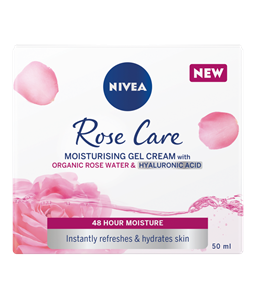
Hydration-Boosting Moisturisers: Choose moisturisers specifically formulated to hydrate and nourish your skin. Look for products that help replenish moisture, restore the skin’s natural barrier and provide long-lasting hydration.
- Day cream provides essential moisture and hydration throughout the day, helping to restore the skin’s natural barrier and combat dryness. The NIVEA Q10 Anti-Wrinkle Extra Nourish 60+ Replenishing Day Cream SPF 15 contains 100% organic Argan Oil to help keep your skin hydrated.
- Night cream provides deep moisturisation and nourishment while you sleep, helping to restore and replenish moisture levels overnight. The NIVEA Q10 Anti-Wrinkle Power Revitalising Night Cream contains NIVEA’s unique Q10 formula that helps strengthen the skin’s barrier.

Sun Protection: Sun exposure can further dehydrate your skin, so protecting it is crucial for maintaining healthy hydration levels. Shield your skin from harmful UV rays by applying a sunscreen with a high SPF.
Using SPF daily helps prevent further skin damage, allowing it to retain its natural moisture and hydration. The NIVEA SUN UV Face Q10 Anti-Age Sun Cream SPF 50 can help prevent and reduce the appearance of sun-induced fine lines and wrinkles.
By following these prevention steps and adding NIVEA’s hydrating skincare products to your routine, you can improve dehydrated skin and enjoy a healthier, more radiant complexion.
Why
USE Q10?
Coenzyme Q10 is a powerful antioxidant that helps recharge and rejuvenate your skin. The NIVEA Q10 range has been carefully created to meet the needs of different skin types, protect cells from damage and slow down visible signs of ageing. Including these products in your skincare routine can help reduce the appearance of fine lines and wrinkles over time.
Dehydrated skin on the
LEGS & BODY
It’s not only your face that can suffer from dehydrated skin – dehydrated skin on your legs and the rest of your body is also a common concern.
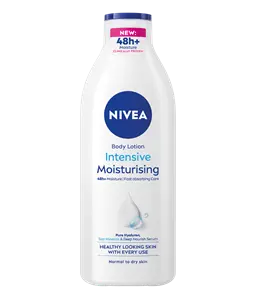
To tackle dehydrated skin on the body, using body care products is often more effective, as the skin on your body tends to be thicker and needs more hydration. Try the NIVEA Q10 Firming Rich Body Lotion which contains Vitamin C and a Q10 formula to help hydrate your skin and provide a smooth feeling.
Dehydrated skin
TAKEAWAY
Dehydrated skin occurs when your skin cells don’t have enough water, which can result in dryness, itchiness and a dull appearance. The positive news is that you can treat dehydrated skin with the right lifestyle adjustments. By focusing on internal hydration, regular moisturising and good skin protection, you can help restore and maintain optimal skin hydration. If your symptoms carry on or get worse, it’s important to seek medical advice.