What Makes a
Sunscreen Good for Kids?
Why Sun Protection Is
Important for Kids
Children's skin is more sensitive to UV rays than adults, making them more susceptible to sunburn and long-term damage. Overexposure can increase the risk of skin conditions later in life, so protecting your child's skin now is really in their best interest for the future. This protection involves regularly applying sun cream, but also using other means of protection, such as wearing protective clothing and avoiding direct sunlight, especially during the hours when the sun is at its highest.
There are many sunscreen options available and finding the right one can feel overwhelming. From understanding SPF levels to choosing skin-friendly ingredients – selecting the best sunscreen for you and your family involves more than just grabbing the highest protection factor. This guide walks you through everything you need to know about kids' sunscreen, including SPF recommendations and practical application tips.
What Makes a Sunscreen
Good for Kids?

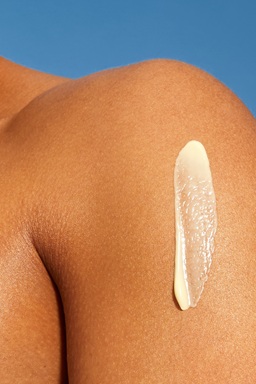
Think about your child's skin sensitivity and any specific needs, such as extra hydration. Creamy lotions offer even coverage and moisture, which is ideal for dry or sensitive skin.
Different sunscreen formulas suit different needs. Spray-on lotions offer quick application for active kids but may need extra care to make sure you get full body coverage. Choose a formula based on skin type, activity level, and how easy it is for you to use every day.
Choose a product that matches your child's daily activities, whether it's water-resistant for swimming or long-lasting for outdoor play. For example, NIVEA Kids Ultra Protect & Play SPF50+ offers extra water and sand resistance, keeping kids protected during splashes and beach fun. Whatever formula you choose, always reapply after water exposure.
UVA protection is essential to help protect the skin from damage. Under European legislation, all sun protection products must have at least one third of the UVA protection of their UVB protection. In the UK, the UVA protection factor is shown by a star system from 1 to 5, with a UVA index of 4 or 5 stars indicating superior protection.
SPF measures protection against UVB rays, which cause sunburn. SPF 50+ or higher is ideal for kids as it offers a very high level of protection, helping to shield their sensitive skin.
For this reason, most kids’ sun cream is available with SPFs of 50 or more. Even on cloudy days, it’s important to protect children with a high level of protection.

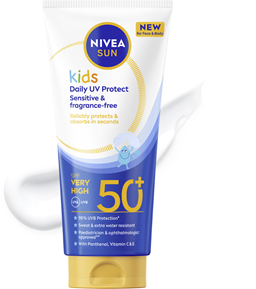
Discover the NIVEA Kids Protect & Care Suncream SPF 50+
When you're choosing a sunscreen for kids, look for a formula that’s easy to apply, non-sticky, and water-resistant to support active outdoor play. The NIVEA Kids Protect & Care Suncream SPF 50+ offers all of this, and more. It’s enriched with ingredients such as Vitamin C, Vitamin E, and Panthenol, which work together to help strengthen the skin barrier while keeping your child's skin safe from harmful UV rays.
Which Sunscreen Should You Choose for Babies?

Which Sunscreen Do I Choose
Why Sun Protection Is Important for Kids?
Children's skin is more sensitive to UV rays than adults, making them more susceptible to sunburn and long-term damage. Overexposure can increase the risk of skin conditions later in life. Protecting your child's skin now can help to support their skin health later in life. This involves not only applying sun cream, but also taking shelter from the sun and wearing appropriate protective clothing.
Does kids' sunscreen last all day?
No, like all sunscreens, kids' sunscreens do not last all day and need reapplication every two hours, and immediately after water exposure.
How early should sunscreen be applied before sun exposure?
Generally, it is advisable to apply sunscreen about 20 minutes before going outside to allow it to fully absorb and activate.
7 Tips for Applying
Sunscreen to Children
- Start with Clean, Dry Skin:Make sure your child's skin is clean and dry to help the sunscreen stick and work better.
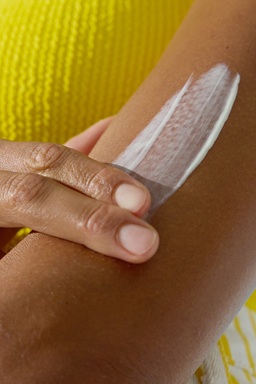
- Use the Right Amount:Apply a generous layer – about a teaspoon for smaller areas like the face and neck, and more for larger areas like arms and legs.
- Cover All Exposed Areas:Don't forget often-missed spots like ears, the back of the neck, and tops of the feet.
- Apply Generously and Evenly:Make sure the sunscreen is spread evenly to avoid missed spots and to ensure maximum coverage.
- Apply 20 Minutes Before Exposure:This gives the sunscreen time to fully absorb and activate for optimal protection.
- Reapply Regularly:Sunscreen should be reapplied every two hours and after swimming, sweating, or towel-drying.
- Pair with Other Protection:Combine sunscreen use with protective clothing, hats, and sunglasses for comprehensive sun safety.
Application Tips
for Toddlers:
- Use a roll-on, spray, or stick sunscreenThis allows faster and more targeted application, helping to minimise fuss. If you use a spray, spray a small amount of cream into your hand before applying it to the face to avoid the risk of your child inhaling the product.
- Apply in small sectionsThis can help keep toddlers engaged and reduce squirming.
The NIVEA Kids
Sunscreen Range

Common Sunscreen
Mistakes Parents Make
- Not applying enough sunscreen:Use a generous amount, at least a teaspoon for the face and neck, and a teaspoon for each region of the rest of the body.
- Missing key areas:The ears, back of the neck, tops of feet, and hands are often overlooked.
- Applying spray formulas without spreading:Sprays can be convenient but it is necessary to massage the cream well into all parts of the body to ensure even coverage and avoid neglecting some exposed areas. For the face, spray a little cream into your hand before applying. Do not spray directly onto the face to avoid the product being inhaled.
- Forgetting to reapply:Sunscreen should be reapplied every two hours and immediately after swimming or sweating.
Sunscreen Expiry & Storage
Tips
Sunscreen can lose effectiveness over time, so always check the expiration date before use. Most sun creams do not have a printed expiry date, but they do have a shelf life after opening, illustrated by an open jar followed by the number of months (usually 12 months). So be sure to note the date of opening. It is also important to store your sun cream properly to help guarantee its lifespan. Keep your sunscreen in a cool, dry place and avoid leaving it in direct sunlight, such as in a hot car, as heat can break down the active ingredients. If sunscreen changes in texture, smell, or colour, it's best to replace it.