How does menopause
affect the skin & what can you do?
Menopause
skincare guide
1. Accept that your skin is going through natural changes and, in most cases, shouldn’t be a cause for any serious concern.
2. Find the right caring cleanser formulated for your skin type – one that won’t strip away natural oils.
3. Use a hydrating serum or cream to help with dryness and loss of elasticity.
4. Protect your skin from the sun with SPF 30 or higher sunscreen.
5. Be gentle with your skin – always check product directions to ensure correct usage so you can nurture your skin and avoid damage.
Menopause can cause various skin changes, from dryness and discolouration to wrinkles, age spots, and acne. Have a look below at the most common menopausal skincare problems, along with friendly advice on how you can treat them.

Menopause & dry skin

Menopause can often lead to dry skin because of decreased hormone levels, especially estrogen. Estrogen stimulates the production of Collagen and natural oils, which help keep your skin naturally moisturised.
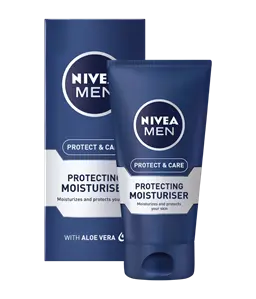
When estrogen levels drop in menopausal women, many experience a dip in the skin’s natural ability to hydrate itself. To keep your skin hydrated, it’s important to moisturise regularly and use moisturising serums on the areas you’re particularly worried about.
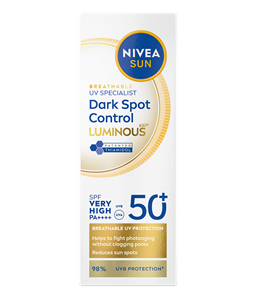
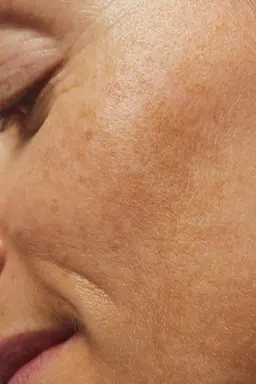
Dark spots are patches of darkened skin that typically appear on your face but can also be found elsewhere on your body. Their appearance is common during menopause because of hormonal fluctuations, particularly increased melanin production.
If menopausal dark spots are causing you concern, the NIVEA Cellular Luminous630 range could be an option for you. The patented Thiamidol acts to lighten and reduce existing dark spots while also balancing new melanin production to help prevent the appearance of new spots.
Menopause & prickly itchy skin
One common yet uncomfortable menopause skincare problem is prickly, itchy skin, which is linked to the lower production of Collagen and natural oils. This can appear over large areas of your body and can vary in intensity, sometimes leading to menopausal skin rashes. Fortunately, you can help combat this by hydrating your skin with a gentle moisturiser or lotion to soothe and reduce irritation.
Excessive sweating is a widespread menopause skincare problem and is usually nothing to worry about, whether it’s hot flashes or night sweats. This is also due to changing hormone levels, which affect the body’s temperature control.
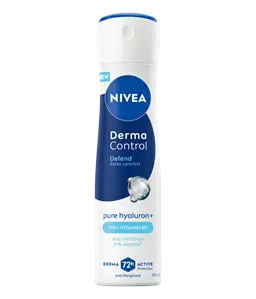
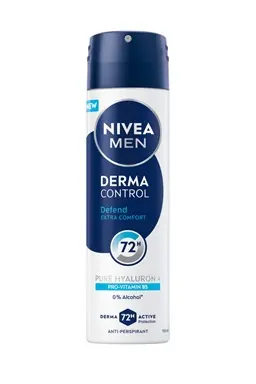
To ease excessive sweating during menopause without irritating your skin, look for an effective antiperspirant that is also gentle on the skin. It’s also good to remember that perspiration can often lead to large pores, greasy skin, and breakouts.

Menopause & acne

It’s no surprise that acne can worsen during menopause when hormones fluctuate.
If you find yourself struggling with acne breakouts during menopause, it’s important to keep these localised areas clean.
As increased perspiration can lead to large pores and greasy skin, you’ll want to cleanse your skin more regularly to try and avoid these breakouts. It’s important that you find a gentle cleanser for this so you don’t strip the skin of its natural oils and cause further dryness.
The loss of skin elasticity during menopause is linked to a reduction in Collagen levels. Collagen is a powerful protein that provides your skin with structure and support to help it appear plump and firm. To boost Collagen levels in the skin, you can incorporate Collagen creams into your skincare routine.
Ingredients for
menopausal skin


Skincare products with
bakuchiol, hyaluronic acid and folic acid
The NIVEA Cellular Expert Range is NIVEA’s premium anti-age range which uses these ingredients to help volumise, firm and plump your skin. With the help of superior anti-age actives, the products in this range work in harmony with your skin to restore its radiance.
The Cellular Expert Range consists of both NIVEA Expert Filler and NIVEA Expert Lift products. The NIVEA Expert Filler range uses Folic Acid and Hyaluronic Acid for an extra-firming, re-volumizing, wrinkle-filling effect. The NIVEA Expert Lift products use Bakuchiol along with Hyaluronic Acid to boost your skin’s Collagen production, which helps reduce sagging and loss of contour.

Simple 4-step
menopause skin care routine

Applying a topical eye cream can help revitalise this sensitive skin and reduce wrinkles.
- Cleanse
Every skincare routine should start with a cleanser, and a skincare routine specially created for menopausal skin is no different. This helps you get rid of impurities or sebum that can lead to outbreaks. A gentle cleanser is recommended to avoid any unnecessary skin irritation and to make sure you don’t strip away your skin’s natural oils.
- SerumA serum can help you focus on areas of particular concern, whether this is severe dryness or your skin's elasticity. Make sure you’re aware of the active ingredients and their benefits so you can choose the best facial serum for what you need.
- Treatments & Eye Care
To make sure your eyes are getting the attention they deserve, take special care of the skin around them. Applying a topical Linkeye cream can help revitalise this sensitive skin and reduce wrinkles. Other treatments can include targeted wrinkle fillers, such as the NIVEA Q10 Anti-Wrinkle Power Expert Targeted Wrinkle Filler Serum, to focus on particular concerns.
- Moisturise
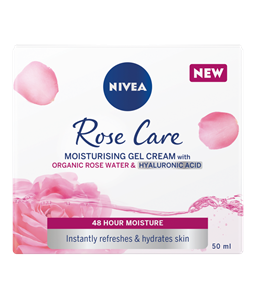
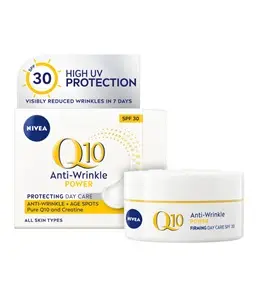
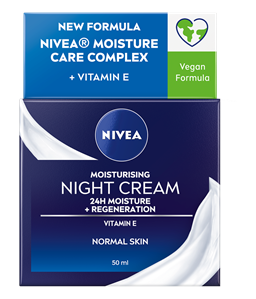
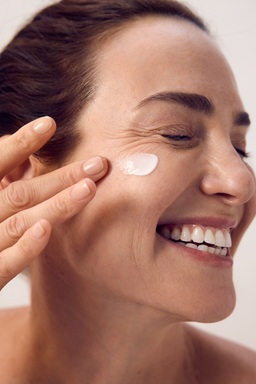
Applying topical moisture helps to protect your skin barrier and prepare it for the day ahead, while also delivering extra benefits through active ingredients. Because a common menopausal skincare concern is dry and itchy skin, it’s important to look for a moisturiser that can soothe your skin while keeping it hydrated. For nourished skin, all day and night, make sure you have both a hydrating day cream and a night cream.
- SPF
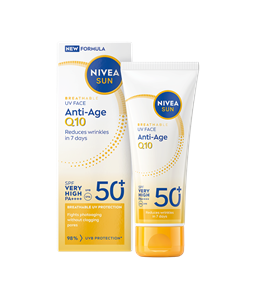
Sun care is an essential last step in any skincare routine to protect your skin from harmful UV rays throughout the day. As the skin’s barrier thins with age, it becomes more susceptible to sun damage, making SPF even more important for your skin. It’s generally recommended to use SPF30+.