What is Melasma?
CAUSES, CARE & PREVENTION
What is
MELASMA?
Hormonal changes, sun exposure, and genetics are common factors contributing to melasma and while it isn't harmful, the uneven skin tone can be distressing for you if you're affected. This prompts many people to seek treatment options such as topical creams, chemical peels, or laser therapy to help lighten the affected areas.
Where on the Body is
MELASMA COMMONLY FOUND?
While less common, melasma can also manifest on other parts of your body such as the arms, neck and back, presenting unique challenges for both women and men.

- Melasma in Women:Melasma predominantly affects women, particularly during periods of hormonal fluctuations such as pregnancy or while using hormonal contraceptives. These hormonal changes can stimulate melanocytes, the pigment-producing cells in the skin, leading to the development of melasma patches, especially on sun-exposed areas of the face. While melasma is not harmful, it can be frustrating if you struggle with uneven skin tone.
- Melasma in Men:
Although less common, men can also develop melasma, with hormonal changes, sun exposure, genetics, and certain medications serving as common triggers. While melasma in men may not receive as much attention, it can still cause significant distress and affect self-esteem.
Treatment options and preventive measures for melasma in men are similar to those for women, emphasising sun protection, skincare targeting pigment spots and, if applicable, hormone management. To help address pigment spots in men, you can consider incorporating products like the NIVEA MEN Anti-Age Power 2in1 Serum, which blends Hyaluronic Acid with the patented anti-pigment ingredient Thiamidol, offering advanced spot reduction for dark spots.
4 Common
CAUSES OF MELASMA
- Hormonal Changes:During pregnancy, hormonal changes can trigger an increase in melanin production, resulting in the onset of melasma. This condition, often referred to as the "pregnancy mask", commonly manifests as dark patches on your face.
Similarly, during menopause, hormonal fluctuations can also stimulate melanin overproduction, contributing to the appearance of melasma or exacerbating existing pigmentation concerns. These hormonal shifts emphasise the importance of sun protection and diligent skincare practices to manage melasma-prone skin effectively.
- Sun Exposure:Exposure to ultraviolet (UV) radiation from the sun stimulates the production of melanin in your skin. Prolonged or excessive sun exposure without adequate protection can exacerbate melasma and contribute to its formation.
- Genetics:Genetic predisposition plays a significant role in the development of melasma. If you have a family history of the condition, you are more likely to experience it yourself, which suggests a hereditary component.
- Hormone-based Medications:Certain medications containing hormones, such as hormonal contraceptives or hormone replacement therapy, can trigger melasma in susceptible individuals by disrupting the natural balance of hormones in the body.
Understanding these causes can help you implement preventive measures and manage melasma more effectively.
4 Ways to Help
GET RID OF MELASMA
It's unlikely that you'll be able to completely get rid of melasma, and treatment options are not guaranteed. However, a combination of preventative measures and targeted treatments can be effective in reducing the appearance of pigment spots and preventing them from getting worse. Here's a list of strategies that will help you manage and reduce the appearance of spots:

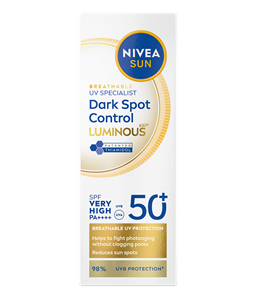
Shielding your skin from harmful UV rays is crucial in managing melasma. Wear broad-spectrum sunscreen with a high sun protection factor (SPF50+) daily, even on cloudy days, and reapply regularly. Additionally, consider wearing wide-brimmed hats and clothing that covers exposed areas when you are outdoors, and get into the shade when the UV index is high.
If you have sensitive skin or existing skin conditions, chat to a dermatologist before starting any new skincare regimen.
Professional chemical peels performed by a dermatologist can help exfoliate your skin and reduce the appearance of melasma. Chemical peels work by removing the top layers of skin, revealing fresher, less pigmented skin underneath. Different types of peels, such as Glycolic Acid or Salicylic Acid peels, may be recommended based on your skin type and the severity of your melasma. However, care must be taken, as these treatments can sometimes cause melasma to worsen or lead to post-inflammatory hyperpigmentation.
In other cases, it may be advisable for you to stop taking certain medicines or hormonal contraceptives if these are responsible for the appearance of melasma.
MELASMA FACTS
Characteristics: Development of brown or grey-brown patches, typically appearing on the face, particularly on the cheeks, forehead, chin and above the upper lip
Cause: Commonly associated with hormonal changes or excess sun exposure
Prevention: Sun protection measures, including regular use of broad-spectrum sunscreen, seeking shade and wearing protective clothing could help prevent the development or worsening of melasma
Treatment: Topical treatments, medications, chemical peels and dermatological procedures are available. Some skincare routine solutions may also improve skin radiance and reduce dark spots.
NIVEA's Skin Care Routine
FOR MELASMA PRONE-SKIN

- Gentle Cleanser:
Cleanse your face to remove dirt and impurities and to promote better absorption of skincare products. The NIVEA Refreshing Face Wash Gel is enriched with Lotus Flower and Hydramine® to effectively cleanse your skin and remove impurities, while maintaining your skin's moisture level.
- Anti-Spots Serum:
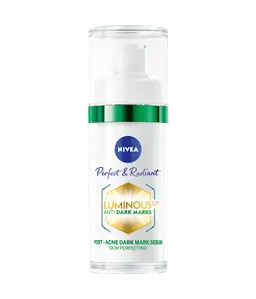
Apply an anti-spot serum to help fade pigmentation spots and even out your skin tone.
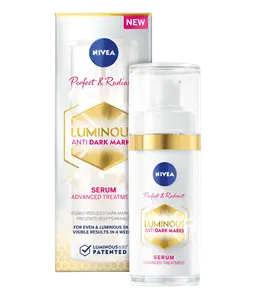
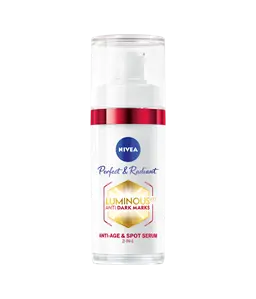
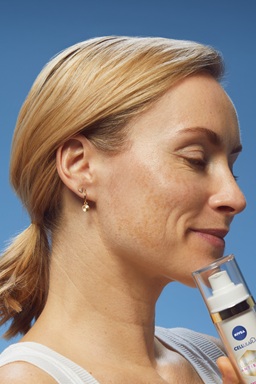
NIVEA Cellular Luminous630 Anti-Dark Spot Face Serum
contains Thiamidol that acts on existing pigmentation while balancing the new production of melanin. Its formula helps to lighten spots, reduce their size and minimise their reappearance, for more even and luminous skin.
- Moisturiser with SPF:
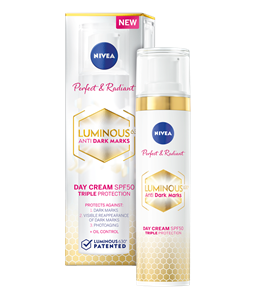
Moisturising hydrates and nourishes your skin, helping to maintain its natural moisture balance and support the skin barrier function. The NIVEA Cellular LUMINOUS630 Anti-Dark Spot Day Fluid SPF50 is a deeply moisturising and lightweight day cream that helps to visibly reduce dark spots. It’s enriched with NIVEA's patented ingredient Thiamidol as well as cell-activating* moisturising Hyaluronic Acid and protecting Vitamin E and UVA/UVB filters.
*Stimulation of natural hyaluronic acid production in vitro
At night is when your skin repairs and rejuvenates itself. Using a nourishing night cream helps replenish moisture levels, promotes cell turnover, and supports your skin's natural renewal process.
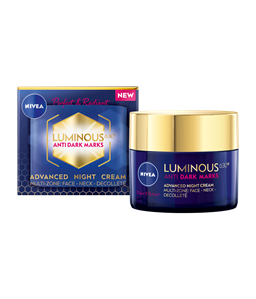
The NIVEA Cellular Luminous630 Anti Dark-Spot Even Tone Night Cream formulated with NIVEA’s patented ingredient Thiamidol and cell-activating* Hyaluronic Acid helps regenerate and strengthen your skin while you sleep. Regular use alongside other Luminous630® products in your routine can help to gradually fade dark spots over time.
Caution: make sure you only use products containing Thiamidol a maximum of 4 times a day.
*Stimulation of natural hyaluronic acid production in vitro
How Does NIVEA Thiamidol Help to
REDUCE BROWN SPOTS ON SKIN PRONE TO MELASMA?
NIVEA's patented Thiamidol ingredient is the result of 10 years of meticulous research and 50,000 tested molecules. Thiamidol works at a cellular level to balance new melanin production at the source and help to reduce dark spots.
By acting on melanin production and promoting a more even skin tone, Thiamidol contributes to a brighter and more radiant complexion and supports the overall goal of reducing the impact of brown spots on your skin.
Summary
Treatment options range from topical medications to procedures like chemical peels or laser therapy, while prevention involves sun protection and hormone management. It is also possible for you to improve skin radiance and reduce pigmentation spots by using a tailor-made skincare routine like the one offered by NIVEA.