3 Tips for removing
hard skin on your feet
What is
hard skin on feet?
Hard skin on feet, medically known as calluses or corns, refers to the thickened, toughened areas of skin that commonly develop on the soles of your feet. These areas of hardened skin are the result of repeated friction, pressure, or irritation, often caused by activities like walking, running, or wearing shoes that don't fit properly. Hard skin appears as yellowish or discoloured patches, and it can range in size and severity. While it may seem like a minor issue, hard skin on feet is a concern that can lead to discomfort and more severe foot problems if left untreated. Proper care and treatment are essential not only for relieving discomfort but also for helping you maintain overall foot health.

Having hard skin on your feet can really affect both your comfort and your overall foot health. Here's why:
Discomfort: Hard skin can cause discomfort, pain, or tenderness when you walk or stand, making everyday activities less enjoyable. It may even affect your ability to take part in physical activities.
Risk of cracking: In some cases, untreated hard skin can lead to cracks in the skin. These can be painful and may increase the risk of infection.
Change in walking pattern: To avoid putting pressure on areas with hard skin, you might unknowingly change the way you walk, which can lead to joint or posture problems over time.
Foot health: Hard skin can limit your skin's natural flexibility and function, which affects overall foot health. It may also contribute to more serious conditions like bunions.
Recognising signs of
hard skin on feet
- Dry patches:
One of the earliest signs of hard skin is the development of dry patches on the soles or heels of your feet. These patches may appear flaky, rough, and discoloured, often taking on a slightly yellow or greyish tone. Pay attention to any areas that feel rough or excessively dry when you touch them.
- Calluses:
Calluses are thickened areas of skin that form in response to pressure or friction. They usually have a hardened, raised appearance and can vary in size. Calluses often develop on the balls of your feet, your heels, or the sides of your big toes. They might not be painful at first, but they can become uncomfortable over time.
- Cracks:
As hard skin progresses, it can lead to deep cracks in the skin, especially around your heel area. These cracks can be painful and could provide an entry point for infections if left untreated.
What are the main causes of
hard skin on feet

- Pressure:
Prolonged standing or walking:
If you spend long hours on your feet, for example as a healthcare professional, retail worker or athlete, you often experience increased pressure on the soles of your feet. This continuous pressure can lead to the thickening of the skin.
High body weight:Excess body weight adds extra pressure on your feet, especially the heel and ball of the foot. This can cause the skin in these areas to harden over time because of the persistent pressure they endure.
- Friction:
Ill-fitting shoes:
Shoes that are too tight or too loose can cause friction against your skin. Tight shoes squeeze your foot, leading to increased pressure and rubbing, while loose shoes can allow your foot to slide around inside, causing friction and blisters. Both scenarios can contribute to calluses and hardened skin.
Unsupportive footwear:
Footwear that lacks proper cushioning or arch support can lead to increased friction between your feet and your shoes. This lack of support can cause the skin to thicken as it tries to protect itself from the repetitive rubbing.
Doing activities barefoot:
Doing activities that involve a lot of barefoot walking or running, such as dance or gymnastics, can also lead to friction-induced hard skin. Your feet are exposed to the ground and can develop calluses as a protective mechanism against friction.
Hard skin on feet
Characteristics: Hard skin on feet is typically thick, rough and discoloured. It can be painful when pressure is applied and may develop cracks in advanced cases.
Causes: The main causes are repetitive friction and pressure, often from activities like walking and wearing poorly fitting shoes. Dry skin can worsen the condition by reducing skin flexibility.
Prevention: Preventing hard skin on your feet involves wearing well-fitting shoes, regular moisturising, using protective pads or insoles, and avoiding excessive high-impact activities.
Treatment: Treatment options for hard skin on feet include regular exfoliation with tools like pumice stones or foot files, moisturising to keep the skin supple and using creams containing Salicylic Acid to help soften the hard skin.
How can you
prevent it

Follow these preventive measures so that you can maintain soft, healthy feet and reduce the likelihood of developing hard skin:
Create a daily routine of cleansing and moisturising your feet, and pay special attention to dry-prone areas with NIVEA Soft 500ml, which has a lightweight formula combined with Vitamin E and Jojoba Oil.
Treat yourself to a weekly foot care routine that includes gentle exfoliation after a relaxing foot soak.
Regularly check your feet for any signs of abnormalities, blisters, or sores, and deal with them promptly.
Choose comfortable shoes and take breaks if your daily activities involve long periods of standing or walking.
3 step routine for
hard skin on feet
1. Soaking feet:
Soaking your feet in warm water is not only relaxing but also helps soften hard skin, making it easier to remove. It can also stimulate blood flow to your feet, promoting better circulation. This can be particularly helpful in preparing the skin for exfoliation.
When choosing foot soak solutions, consider the following options:
- Epsom salt soak: Epsom Salt (Magnesium Sulphate) is known for its muscle-relaxing properties. Dissolve a few tablespoons of Epsom Salt in warm water for a relaxing and therapeutic soak.
- Baking soda soak: Baking soda can help soften the skin and neutralise odours. Add a couple of tablespoons of baking soda to warm water for a soothing foot soak.
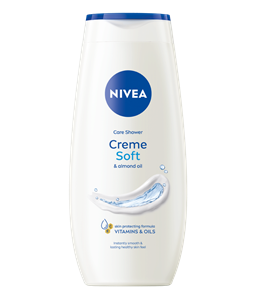
While using any of these soaking solutions, also consider using NIVEA's Coconut & Jojoba Oil Shower Cream which is made to cleanse the skin but still leave it feeling soft and supple. NIVEA has a variety of shower products to choose from that will not only cleanse your body but also pamper your skin.

2. Gentle exfoliation:
Exfoliating hard skin is a crucial step in foot care. A pumice stone is a natural, abrasive stone that you can use to gently rub away dead skin cells on hard areas. Soak your feet in warm water for a few minutes to soften the skin, then use a pumice stone in a circular motion, applying gentle pressure. An alternative would be foot files. As with a pumice stone, be gentle to avoid using excessive pressure that could harm healthy skin.
3. Moisturising:
Moisturising plays a key role in both the prevention and treatment of hard skin on your feet. Regular moisturising is important to protect the skin's barrier, preventing it from becoming excessively dry and more likely to harden.
Moisturisers enriched with nourishing ingredients like Shea Butter, such as NIVEA's Smooth Sensation Body Lotion, help to soften the skin, improve its flexibility and reduce the chance of calluses or cracks forming. It also contains a Deep Moisture Serum which is great for locking in that moisture and keeping your skin smooth.
Summary
- If hard skin is left untreated, it can lead to discomfort, pain, and even complications. Neglecting it may result in painful conditions like calluses or corns, making each step a struggle and potentially causing infections.
- Dealing with hard skin promptly is important, as it can really improve your overall well-being and comfort. Soft and healthy skin not only improves physical comfort but also boosts your confidence, helping you to take part more actively in different areas of your life.
- A simple 3 step routine – soak, exfoliate and moisturise – will help you prevent and treat hard skin on your feet.