Does the sun help acne & pimples?
What can you do?
Does the sun help with
acne & pimples?
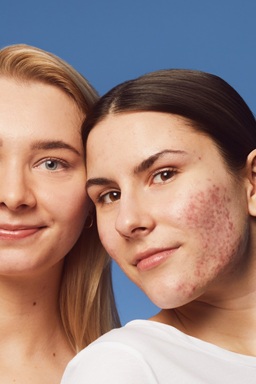
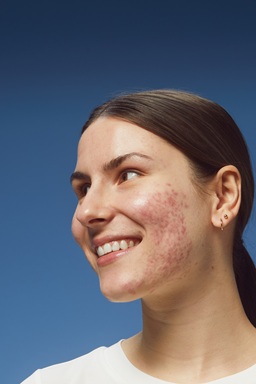
Overexposure to sunlight can cause serious damage to your skin, especially if you're living with acne. The sun's UV rays can worsen acne breakouts as well as scarring, because time in the sun can strip away your skin’s natural oils. Your skin responds to this by increasing sebum production, which often contributes to blemishes and pimples. Taking the correct precautions for acne-prone skin in the sun will help to keep your skin happy and healthy.
It’s no surprise that many people are misled into believing that sitting in the sun is good for their skin. People often talk about their skin glowing when they come back from a summer holiday, so you may think the sun clears your skin. However, this isn’t the case and the damage may not be visible, but it’s definitely there.
Here we answer whether the sun is really beneficial for acne-prone skin, debunk the rumours and offer friendly, practical advice on tackling those persistent pimples.
It may look like your acne and pimples improve when you're in the sun. This is because the sun's UV rays offer mild anti-inflammatory and anti-bacterial properties. However, this effect doesn’t last and actually causes more harm than good in the long run.
Acne may also seem to be less visible after you've been in the sun – tanned skin can conceal red spots for a while. It could also be linked to decreased levels of stress while you're on holiday, as high levels of stress are commonly associated with worsening or causing acne breakouts.
After you've been in the sun, the top layer of your skin thickens and dries out, and your body’s reaction is to start producing more oil. The sebaceous glands that produce oil naturally start working in overdrive to help replenish the loss of moisture. This leads to excessive sebum, a common cause of acne breakouts. This reaction from your body doesn’t happen instantly, so it’s common not to link the two together.
When you're in the warm sun it’s also typical to sweat more, and sweaty skin creates the perfect environment for bacteria and acne to develop.
How to treat acne symptoms & pimples
caused by the sun
Acne-prone skin needs higher UV protection, as many acne treatment methods peel off dead skin and expose fresher, more sensitive layers. That’s why it’s extra important to apply high-SPF sunscreen while you're using acne products.

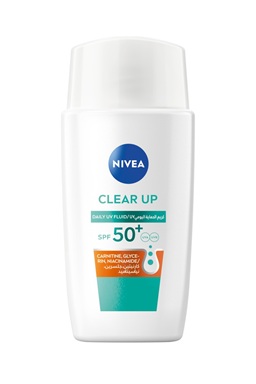
NIVEA Clear Up
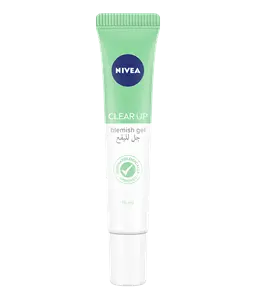
The Clear Up range from NIVEA includes specially formulated products for you if you’re suffering from blemish-prone skin. These vegan-formula skin care products nourish your skin while helping to reduce the visibility of blemishes, for a clean and healthy-looking complexion.
The Clear Up range combines three key ingredients – Niacinamide, Salicylic Acid and Glycolic Acid – all well-known ingredients used to help rejuvenate blemish-prone skin.
Prevention
is the best treatment
Sunscreen & blemish-prone
skin

If you feel like your pimples worsen when you’re in the sun, it may also be down to your sunscreen. It’s essential to wear sunscreen in the sun, but there are different types and some are better for blemish-prone skin than others.
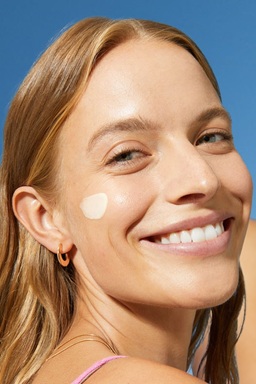
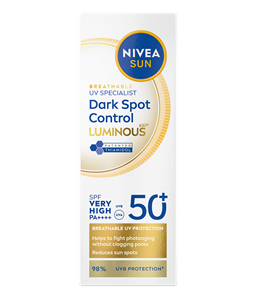
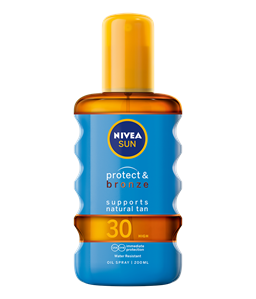
When you’re looking for a sunscreen that doesn’t worsen acne-prone skin, try to avoid heavy, greasy sunscreens. These are more likely to clog your pores and increase the likelihood of breakouts. NIVEA Protect & Dry Touch Invisible Spray SPF 50 is a lighter sunscreen that offers high protection against UVA & UVB rays while also being sweat- and water-resistant.
People often worry about choosing between mineral or chemical sunscreens. Both are okay to use, and the choice may come down to how your individual skin type reacts. For facial sunscreen, it’s generally best to use a mineral sunscreen, as it tends to be less greasy and better for sensitive skin.
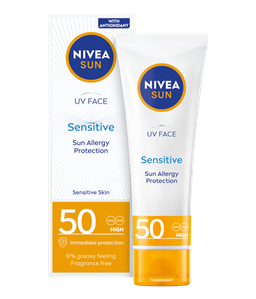
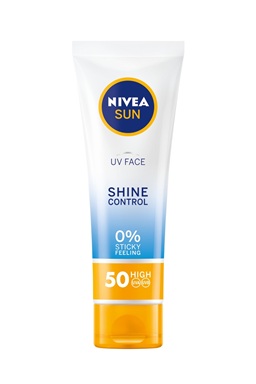
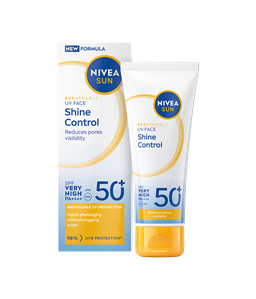
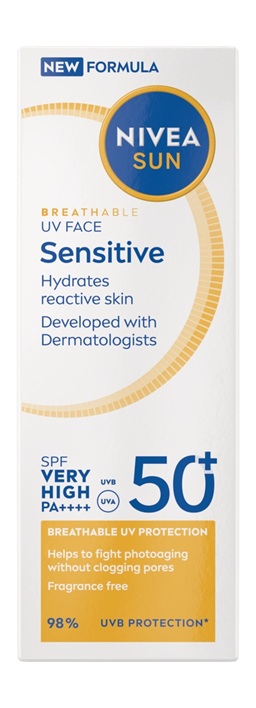
The UV Face Specialist Triple Protect Sun Fluid SPF50+ is a non-greasy, ultra-light and hydrating face sunscreen. Its SPF 50 will efficiently protect your skin from UV rays while also not irritating sensitive, acne-prone facial skin.
Does the sun help
acne scars?
Acne scarring refers to the various marks that acne breakouts may leave behind. A tan can give the illusion of reduced scarring, but this is far from the reality. Once the tan has faded, the UV exposure is likely to leave scars more noticeable and less likely to fade over time.
Acne scars worsening or deepening in the sun is commonly due to the Collagen breakdown that occurs. Over time, UV rays destroy Collagen and Elastin, which are responsible for giving your skin structure.
There are many acne scar products out there, but in most cases, a good SPF is the most essential daily care to help protect your skin.