Photoaging: How To
Prevent Sun-Damaged Skin
What is
photoaging?
Is there a difference between
Photoaging and Sun Damage?
Time is the key difference between the two – sun damage generally refers to the immediate effects of UV radiation, while photoaging is a gradual process that can take years to become noticeable.
As you age, your skin naturally changes due to genetics and hormones, which leads to fine lines and wrinkles. External factors like sunlight and pollution can speed up this process, causing premature aging with deeper wrinkles and age spots. Photoageing is premature ageing that’s specifically induced by the sun’s rays. While you can’t stop time, proper skincare and healthy habits can slow down this premature aging and help you maintain radiant skin for longer.
5 causes of
Photoaging

Here are some key factors that contribute to skin damage:
- UV Radiation:Exposure to ultraviolet (UV) radiation, particularly UVA and UVB rays from the sun, is the primary cause of photoaging. Prolonged exposure to UV radiation can harm skin cells, resulting in wrinkles, fine lines, pigmentation changes, and loss of skin elasticity.
- Cumulative Sun Exposure:Chronic and cumulative exposure to sunlight over time increases your risk of photoaging. This includes daily exposure during activities like walking outdoors, driving, or working near windows, in addition to deliberate sunbathing.
- Sunburns:Sunburn, characterised by redness, pain, and blistering, indicates severe UV damage to the skin and contributes to accelerated photoaging. Repeated sunburns increase the risk of developing signs of photoaging earlier in life.
- Tanning Beds:Artificial sources of UV radiation, such as tanning beds and sunlamps, also contribute to photoaging. These devices emit UVA and UVB rays that penetrate the skin, causing damage similar to natural sunlight exposure.
- Environmental Factors:
Environmental factors like air pollution, which can worsen the effects of UV radiation, contribute to photoaging by generating free radicals and oxidative stress in the skin.
The effects of
the sun on the skin

- Overexposure to UV radiation from the sun can result in sunburn, characterised by redness, pain, swelling, and possibly blistering of the skin due to DNA damage from UVB radiation.
- Sun exposure triggers the production of melanin, leading to tanning of the skin, which can offer some light natural sun protection by absorbing and scattering UV radiation. However, even tanned skin can be damaged by exposure to the sun and still needs to be properly protected.
- UV radiation can cause immediate damage to skin cells, triggering cellular changes and inflammatory responses.
- Some people may experience photosensitivity reactions, such as rashes or hives, especially after using certain medications or skincare products that increase the skin’s sensitivity to UV radiation.
Signs of photoaging typically appear gradually over time and may include:
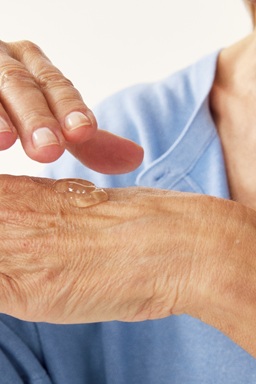
- Wrinkles and Fine Lines:Fine lines, wrinkles, and creases may develop on areas of your skin that are exposed to the sun, such as the face (especially around the eyes and mouth), neck, and hands.
- Uneven Pigmentation:Dark spots or patches, such as freckles, age spots (also known as liver spots or solar lentigines), and melasma, may appear on sun-exposed areas of your skin.
- Loss of Elasticity:
Your skin may become lax, saggy, and less firm due to a decrease in Collagen and Elastin fibres, resulting in a loss of skin elasticity and resilience.
- Skin Texture Changes:Your skin's texture may become rough, uneven, and coarse, with a loss of smoothness and suppleness.
- Telangiectasia:
Fine, red, spider-like blood vessels, known as telangiectasia or spider veins, may become visible on the surface of your skin, particularly on the face and chest.
- Dull Complexion:Your skin may appear dull, lacklustre, and less radiant due to a decrease in cell turnover and impaired skin renewal processes.
- Skin Dryness:Chronic sun exposure can lead to dehydrated, dry skin characterised by flakiness, roughness, and a lack of moisture.
- Loss of Subcutaneous Fat:Chronic sun exposure may lead to a reduction in subcutaneous fat, resulting in a hollowed or sunken appearance in certain areas of your face, such as the cheeks and temples.
Photoaging
Appearance: Visible ageing signs such as wrinkles, fine lines, uneven pigmentation, and a loss of elasticity, all leading to a prematurely aged appearance.
Causes: Prolonged exposure to ultraviolet (UV) radiation from sunlight, which damages Collagen and Elastin fibres in the skin.
Prevention: Applying sunscreen, wearing protective clothing, and avoiding excessive sun exposure can help you prevent or reduce photoaging.
Minimise signs of photoaging with
Q10 and Luminous630® Ranges
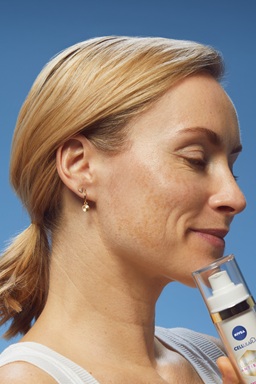
Adding products from the NIVEA Q10 or Luminous630® ranges into your skincare routine can help you target signs of photoaging. Think about whether you mainly want to tackle fine lines and wrinkles with Q10 or sun-induced dark spots with Luminous.
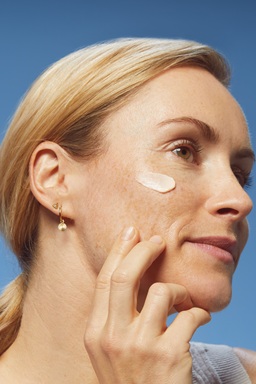
As with any good skincare routine, start with a deep cleanse. In the morning this helps to refresh and awaken your skin, while in the evening it helps clear away debris and pollutants that build up throughout the day. Both the morning and evening cleanse help to prepare your skin to absorb the nourishing ingredients in your care products.
NIVEA offers a broad range of face cleansers for all skin types and needs, so you can find what works best for you.
NIVEA Q10 Power anti-wrinkle
Skincare Routine

- Serum
Continue your routine with the NIVEA Q10 Anti-Wrinkle Power Replenishing Serum Pearls, formulated with the Q10 formula and Creatine to help protect your skin against free radicals** and replenish it with energy to help it regenerate.
- Moisturise
The NIVEA Q10 Anti-Wrinkle Day Cream Moisturiser SPF 30 provides 24-hour anti-wrinkle dual action by helping to protect your skin against free radical damage and environmental stressors**, and restoring energy to the skin.
- Night Treatment
During the night, it's beneficial to support your skin’s natural renewal by using a night cream. The NIVEA Q10 Anti-Wrinkle Power Revitalising Night Cream formula is made with Q10 and Creatine to help your skin’s natural regeneration while you sleep, boosting Collagen production**, and replenishing the skin with energy.
**Tested in vitro
NIVEA Luminous630® anti-dark
Spot Skincare Routine
- SerumAfter cleansing your face, follow your routine with the NIVEA Cellular Luminous630 Anti Dark-Spot Face Treatment Serum, containing Thiamidol to target existing pigmentation, lighten spots and reduce their size.
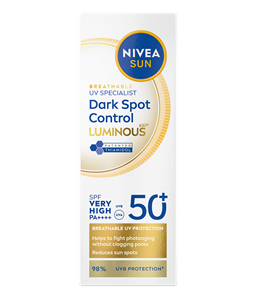
Alternatively, if you’re struggling with sun-induced dark spots and deep wrinkles, use the NIVEA Cellular Luminous630 2-in-1 Anti-Age & Dark Spot Serum. The formula combines a Collagen Booster*** with the patented Thiamidol ingredient to help bring volume back to the skin, filling deep wrinkles while also balancing new pigmentation to help prevent new dark spots from forming. - Moisturise and HydrateMoisturising is a vital step in skincare, offering hydration that maintains skin elasticity and helps prevent dryness. Choosing the right moisturiser with SPF is essential to help prevent signs of photoaging. NIVEA Cellular Luminous630 Anti Dark-Spot Day Fluid SPF50 is a great choice to visibly reduce dark spots and prevent their reappearance, revealing your skin’s natural luminosity.
- Night TreatmentFor dark spots, care for your skin with the NIVEA Cellular Luminous630 Anti Dark Spots Night Cream in the evenings. Enriched with Hyaluronic Acid, this product recharges your skin overnight and balances new melanin production to help prevent the appearance of new dark spots.
Use sunscreen daily to
Help Prevent Signs of Photoaging
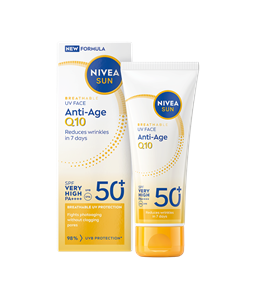
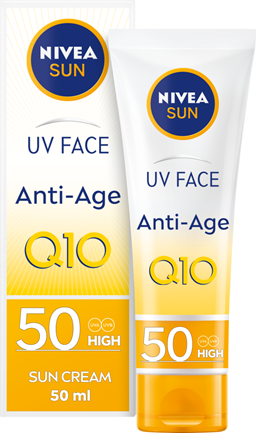
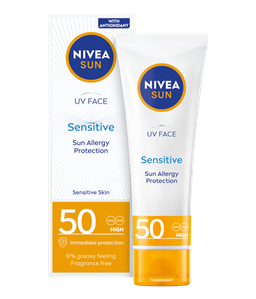
One of the most important habits to help target photoaging is to apply a broad-spectrum sunscreen with at least SPF 30 on any skin that will be exposed to the sun. Make sure you choose a product that protects not only against UVB but also against UVA and blue light. Reapply sunscreen every two hours at a minimum to maintain protection. Apply sunscreen more frequently if you’re swimming or sweating throughout the day.
Ongoing sunscreen use is crucial for protecting against sun damage and preventing further harm by shielding your skin from harmful UV radiation.
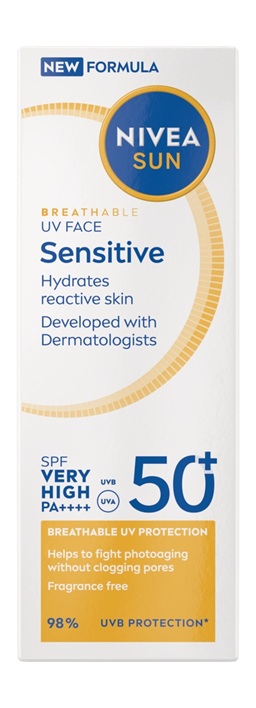
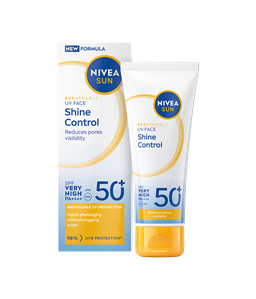
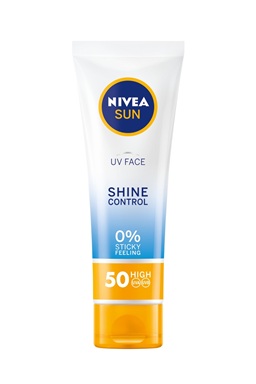
Complete your skincare routine with NIVEA SUN UV FACE Invisible Daily Fluid SPF 50+, which offers immediate ultra-light fluid absorption while protecting from UVA, UVB and blue light rays that are responsible for premature ageing. Its pleasant, non-sticky texture leaves no white residue, while Licochalcone in the formula helps to activate the skin’s defence mechanism to protect skin cells.
Additional ways to
Minimise the Risks of Sun Damage
It's difficult to completely avoid photoaging, but there are several preventive measures you can take:
- Protective Clothing:Wear protective clothing, such as long-sleeved shirts, pants, wide-brimmed hats, and sunglasses with UV protection, to shield your skin from direct sunlight.
- Seek Shade:Limit your sun exposure, especially during peak sunlight hours between 10 am and 4 pm. Seek shade under trees, umbrellas, or awnings when you’re outdoors. Whenever possible, limit prolonged sun exposure by planning outdoor activities in the early morning or late afternoon when the sun's rays are less intense.
- Avoid Tanning Beds:Avoid using tanning beds and sun lamps, as they emit harmful UV radiation that can cause skin damage and increase the risk of skin cancer.
In addition to these measures to prevent photoaging and skin damage, remember to do regular self-checks of your skin to monitor for any changes, including new moles, growths, or suspicious lesions. Speak to a dermatologist if you notice any worrying changes.