5 Benefits of
VITAMIN C FOR SKIN

Vitamin C
FOR DIFFERENT SKIN TYPES

Sensitive skin
If you have sensitive skin, Vitamin C can be both beneficial and tricky to use. Its topical antioxidant properties help reduce redness and soothe irritation, but high concentrations might cause reactions. It's best to choose products with a lower concentration of Vitamin C or stable and better tolerated derivatives like sodium ascorbyl phosphate or ascorbyl glucoside. Always do a patch test before full application to make sure your skin tolerates it well. With regular use, Vitamin C could help strengthen sensitive skin, making it less reactive and more radiant.
Oily skin and blemished skin
Oily skin and blemished skin may benefit from Vitamin C. In fact, when used in high concentrations it can help to reduce the appearance of large pores. Vitamin C's antioxidant properties protect against free radicals, which can contribute to the oxidation of sebum and the clogging of pores that cause blemishes. Lightweight, non-greasy formulas like serums are ideal for oily skin. For blemish-prone skin, opt for non-comedogenic formulas and consider combining them with anti-blemish ingredients such as salicylic acid for best results. Used regularly, Vitamin C can help you achieve a brighter, smoother, more balanced complexion.
Whichever Vitamin C formula you use, don't assume that it will necessarily offer all the potential benefits of Vitamin C, as each formula has its own specific requirements. In fact, each formula meets specific needs. Always check the product packaging to find out about its use and properties.
Dry skin
Vitamin C could also be used for dry skin, as its antioxidant properties help to maintain the integrity of the skin barrier and therefore promote water retention. Vitamin C formulations with moisturising ingredients like Hyaluronic Acid or Glycerin may also help replenish moisture and give you plumper skin. Regular application of Vitamin C could enhance skin texture, giving your skin a new radiance.
NIVEA Skincare
ROUTINE WITH VITAMIN C FOR FACE
Created for you if you're seeking a vibrant and youthful-looking complexion, this face care routine with Vitamin C is great for addressing dullness, fatigue, and signs of ageing. It utilises the antioxidant power of Vitamin C to enhance your skin's radiance and protect against environmental stressors.
1. Cleanse:
Start with a thorough cleansing, which is crucial to remove makeup and impurities. The NIVEA Skin Glow Serum Infused Micellar Water combines a serum containing Vitamin C & E with an Amino Acid Complex, which hydrates and energises your skin, leaving no greasy residue. This step preps your skin for the rest of your skincare routine, offering a clean and fresh base.
2. Targeted treatment:
To alleviate signs of fatigue and dullness around your eye area, incorporate products that contain Vitamin C and Vitamin E. These may help to firm the eye contour and provide hydration, giving your eyes a refreshed and youthful appearance.

3. Serum:
Serums are essential in skincare as they target specific skin concerns such as signs of ageing, dehydration, or an uneven complexion. Depending on your skin's needs, you can choose from a variety of NIVEA serums to enhance your skincare routine:
Vitamin C serum:
For dull skin tone with fine lines: the NIVEA Expert Filler Cellular Vitamin C Radiance Serum, formulated with antioxidant Vitamin C, helps boost skin radiance and reduce wrinkles, for a radiant, younger-looking complexion.
Alternatives without Vitamin C:
For dry skin prone to dehydration: the NIVEA Cellular Expert Filler Hyaluronic Acid Serum helps replenish moisture and improve skin suppleness, leaving your skin feeling smoother, softer, and refreshed.
For loss of elasticity and facial contours: the NIVEA Cellular Expert Lift 3-Zone Lifting Serum is designed for face, neck, and décolleté to support skin elasticity and visibly improve definition over time.
For daily protection and care: the NIVEA Expert Filler Cellular SPF 50 Daily UV Serum Fluid combines hydration, anti-ageing action and SPF protection to fill in wrinkles and help protect your skin from premature ageing caused by UV rays and environmental stressors. Its lightweight texture absorbs easily, making it suitable for everyday use.
Whatever serum you use, apply it evenly to your face and allow it to penetrate completely before applying any subsequent treatments.
4. Moisturise:
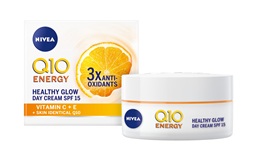
Continue the routine by moisturising your face to maintain the skin barrier and keep it hydrated. The NIVEA Q10 Energy Healthy Glow Day Cream with SPF 15 supports your skin's own ability to improve its energy metabolism and protects it from skin-damaging free radicals. It not only moisturises but also offers a layer of sun protection with SPF 15. Apply the day cream evenly to your face and neck.
5. Sunscreen:
Finish your daytime skincare routine with a broad-spectrum sunscreen to protect your skin from harmful UV rays. Even if your moisturiser contains SPF, you may need to apply a sun cream to ensure adequate protection, depending on your exposure to the sun. And don't forget to reapply regularly to maintain your level of protection.
6. Face mask (optional treat):
For an extra boost of radiance and hydration, use face masks to revitalise your skin. The NIVEA Q10 Energy Instant Recharge Sheet Mask infused with Q10 and Vitamin C is perfect for recharging tired and dull skin, reducing fine lines, and nourishing your skin. Use the mask for 10 minutes and then gently massage any remaining serum into your skin.
By following these steps, you could achieve energised, radiant skin that looks and feels its best. Consistent use of these products will help maintain your skin's vitality, ensuring it stays hydrated, smooth, and protected.
NIVEA Q10 firming and
ENERGISING BODY SERUM LOTION
NIVEA Firming + Energising Q10 is the perfect addition to your body care routine. Formulated with Vitamin C and Hyaluronic Acid and our highest concentration of Coenzyme Q10 in the NIVEA Body range, it helps to firm and improve skin elasticity from as early as 7 days, while providing up to 72 hours of hydration. Its light texture gently melts into your skin's upper layers, leaving it feeling energised, beautiful and radiantly healthy.